Court Case
Landor v. Louisiana Department of Corrections
At Issue: If a prisoner’s religious freedom rights are violated, can the offending officials be held accountable for money damages?
BJC’s position: Yes.
Case status
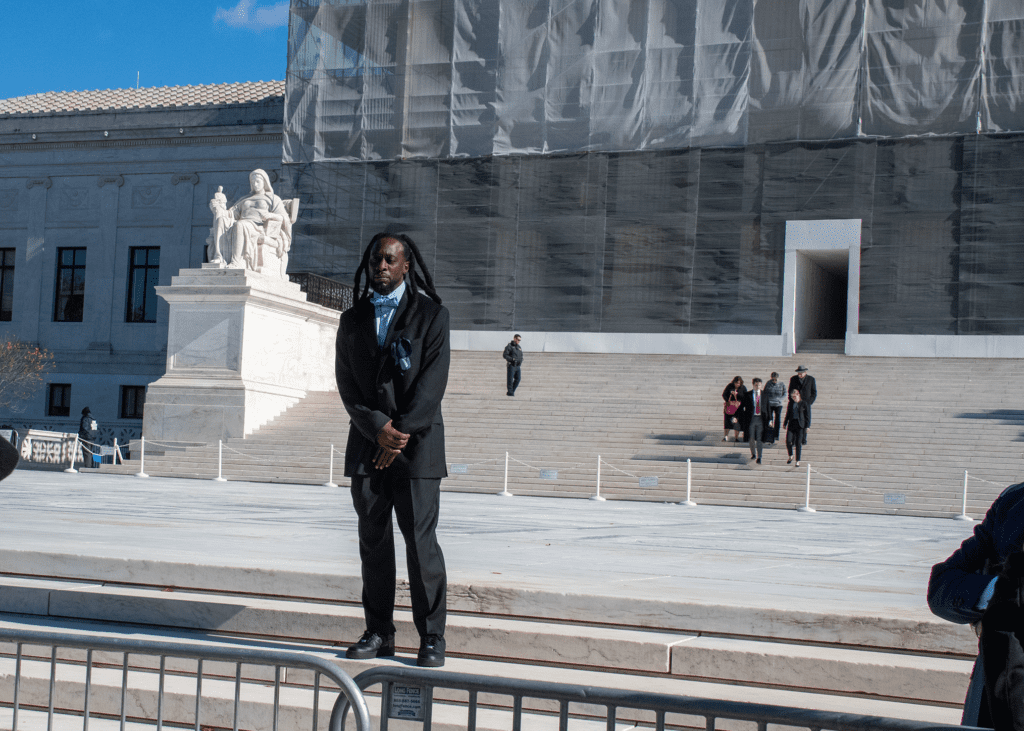
The Supreme Court heard the case in November 2025. A decision is expected before July 2026.
Prison guards cannot forcibly shave someone’s head if they are practicing a religion that requires long hair, but that’s exactly what happened to Damon Landor in a Louisiana prison. A devout Rastafarian, Mr. Landor had a copy of a federal court decision upholding Rastafarian prisoners’ rights to wear dreadlocks. Despite that clarity, Louisiana state prison officers held Landor down and tossed the decision in the trash as they shaved his head. In Landor v. Louisiana Department of Corrections, he is asking for compensation from the offending officers as individuals.
BJC joined a brief in this case on the side of Mr. Landor, noting that he is protected by the Religious Land Use and Institutionalized Persons Act (RLUIPA), which demands that prison systems not impose substantial burdens on incarcerated individuals’ religious exercise without compelling justification.
Resources on the case
Read, watch, and listen for more on this case.
-

Read BJC's brief
BJC joined an amicus brief on the side of Mr. Landor, noting that he is protected by the Religious Land Use and Institutionalized Persons Act (RLUIPA), which demands that prison systems not impose substantial burdens on incarcerated individuals’ religious exercise without compelling justification. The brief was joined by a vast array of organizations, including the ACLU and the Alliance Defending Freedom.
-
What's at stake in the case?
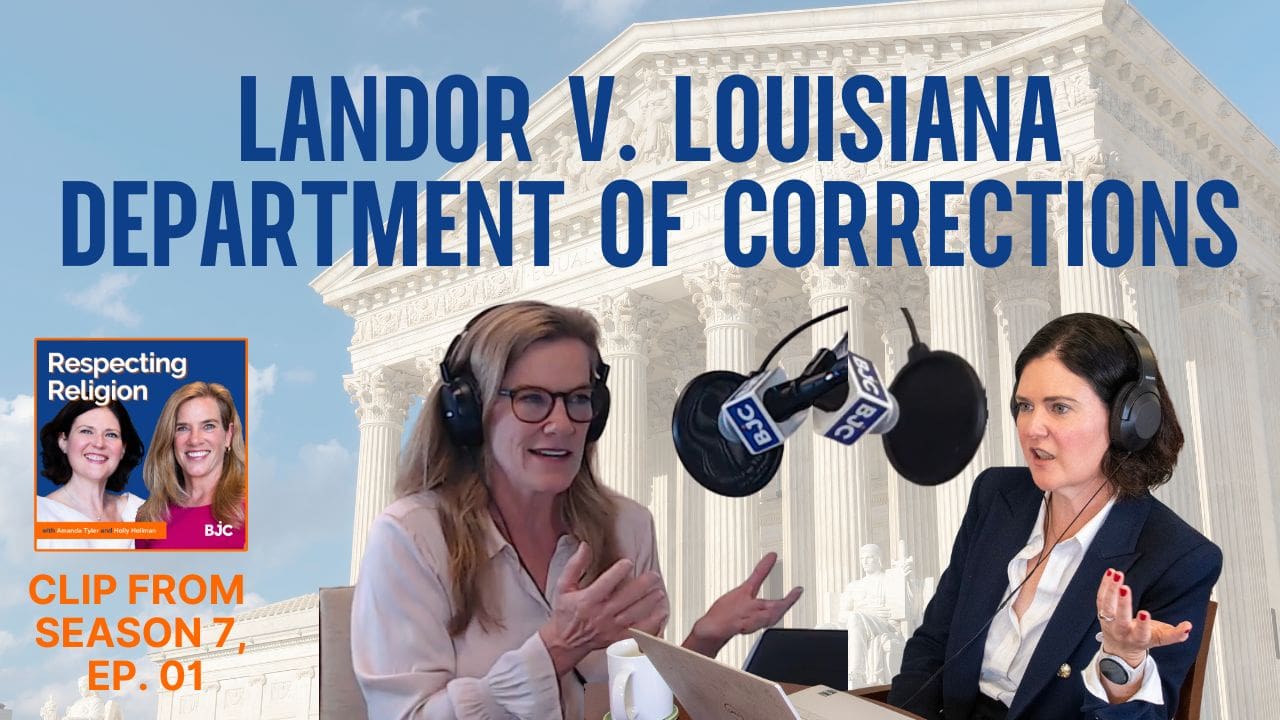
In this clip from the Respecting Religion podcast, Amanda Tyler and Holly Hollman talk about the facts of the case and the question that is before the Supreme Court. You can watch the full conversation in Season 7, Episode 01 of the podcast.
-
Reflection on Supreme Court arguments
“I’m hopeful the case might also remind us that religious liberty can and should be a uniting commitment that protects vulnerable populations, as well as those in the Christian majority,” writes BJC Chief Legal Officer Holly Hollman in an op-ed for Baptist News Global.
-
Podcast on Supreme Court arguments
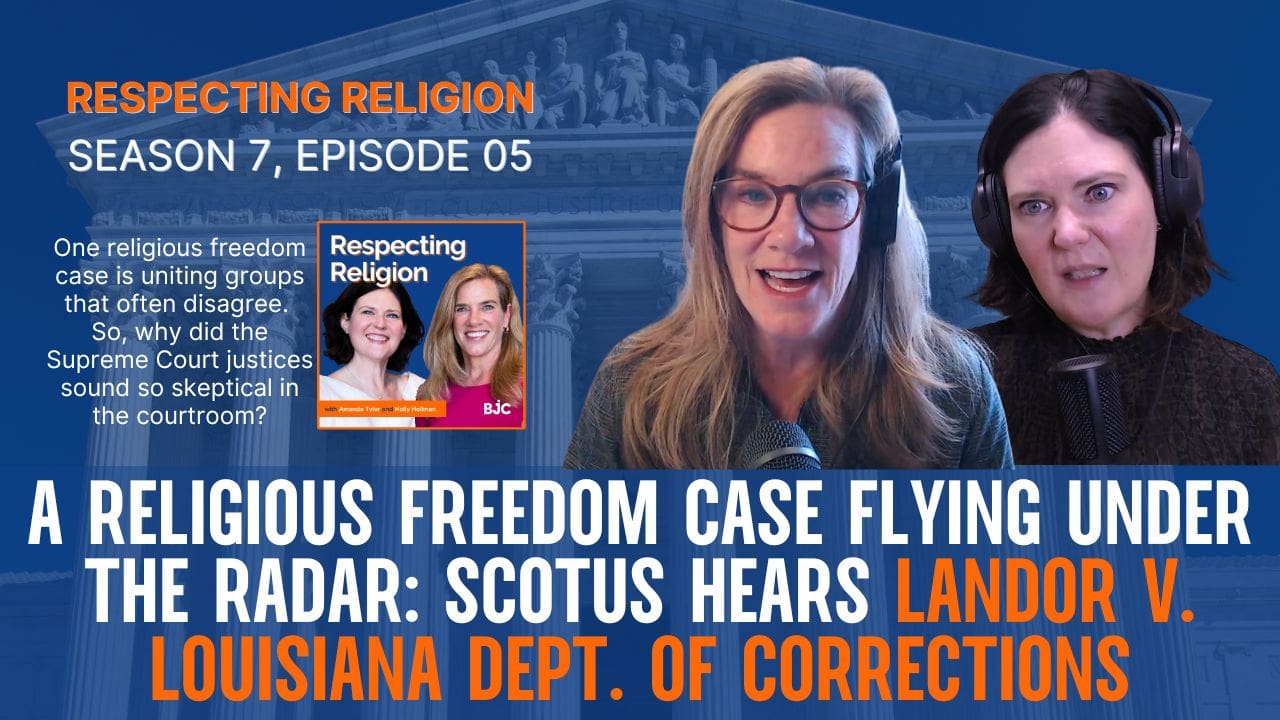
Despite how it’s uniting groups that often disagree, the justices sounded skeptical about Mr. Landor’s claim in the courtroom. On the Respecting Religion podcast, Amanda and Holly review the arguments, playing audio from key moments in the courtroom and discussing the statute that protects prisoners’ religious freedom rights.