2016 BJC Fellows
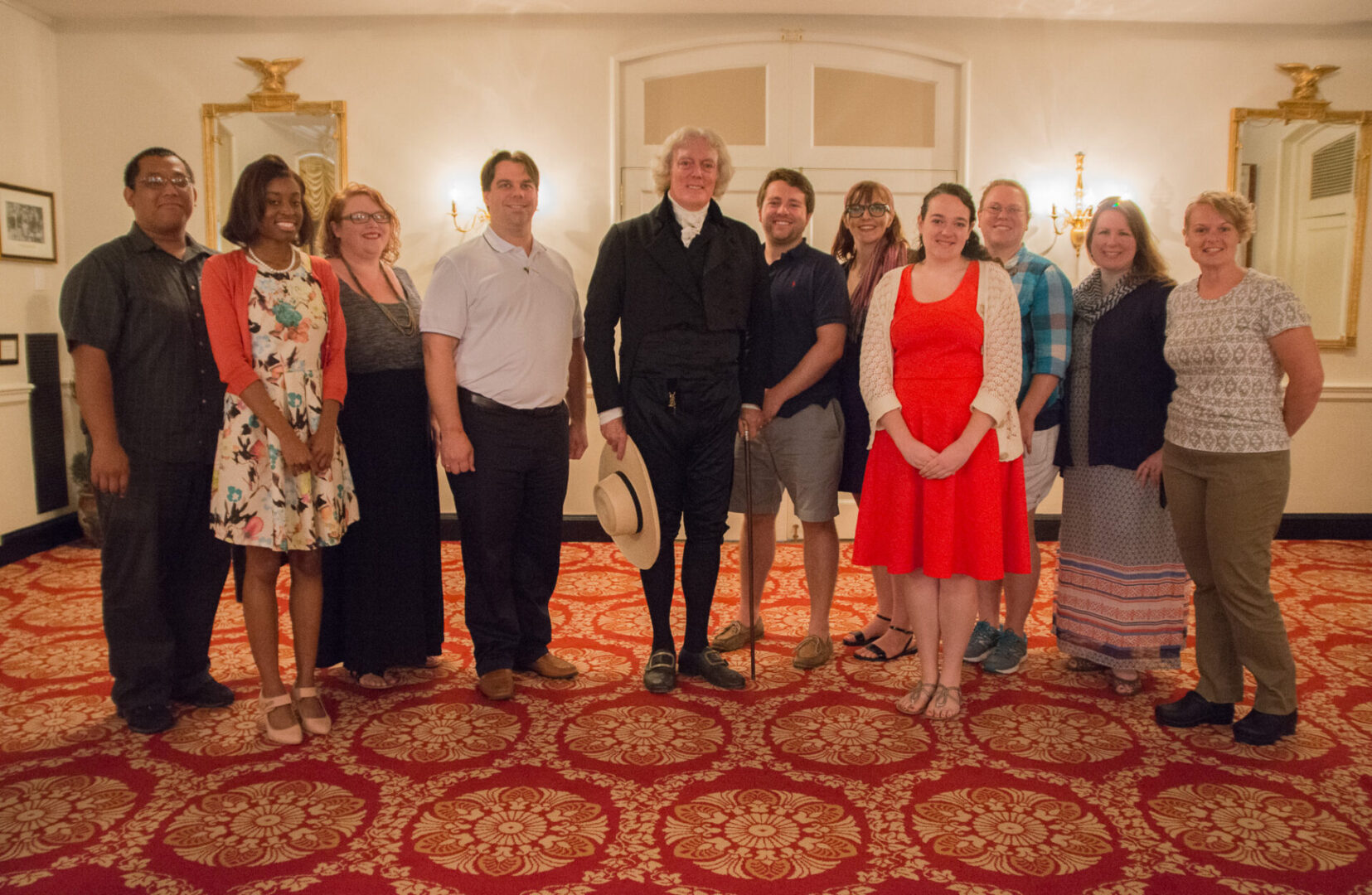
The Baptist Joint Committee for Religious Liberty welcomed the second class of BJC Fellows to Colonial Williamsburg in 2016. Throughout the week BJC staff, historical interpreters and other experts led them in conversations and lessons about religious liberty. Ultimately, the fellows were left with a deeper historical, theological and legal understanding of religious liberty and developed skills to advocate for the cause throughout their careers.

Meet the 2016 Class
-
-
Cristopher The: Pasadena, California
Jaimie Crumley: New Haven, Connecticut
Jo Bair Springer: Hastings, Nebraska
Brian Knight: Johns Creek, Georgia
John Weber: Louisville, Kentucky
Mariamarta Conrad: Fayetteville, North Carolina
Ashton Wells: Kansas City, Missouri
Jenny Hodge: Chesapeake, Virginia
Sarah Amick: Richmond, Virginia
Megan Pike: Little Rock, Arkansas
See Photos from the Week in Williamsburg
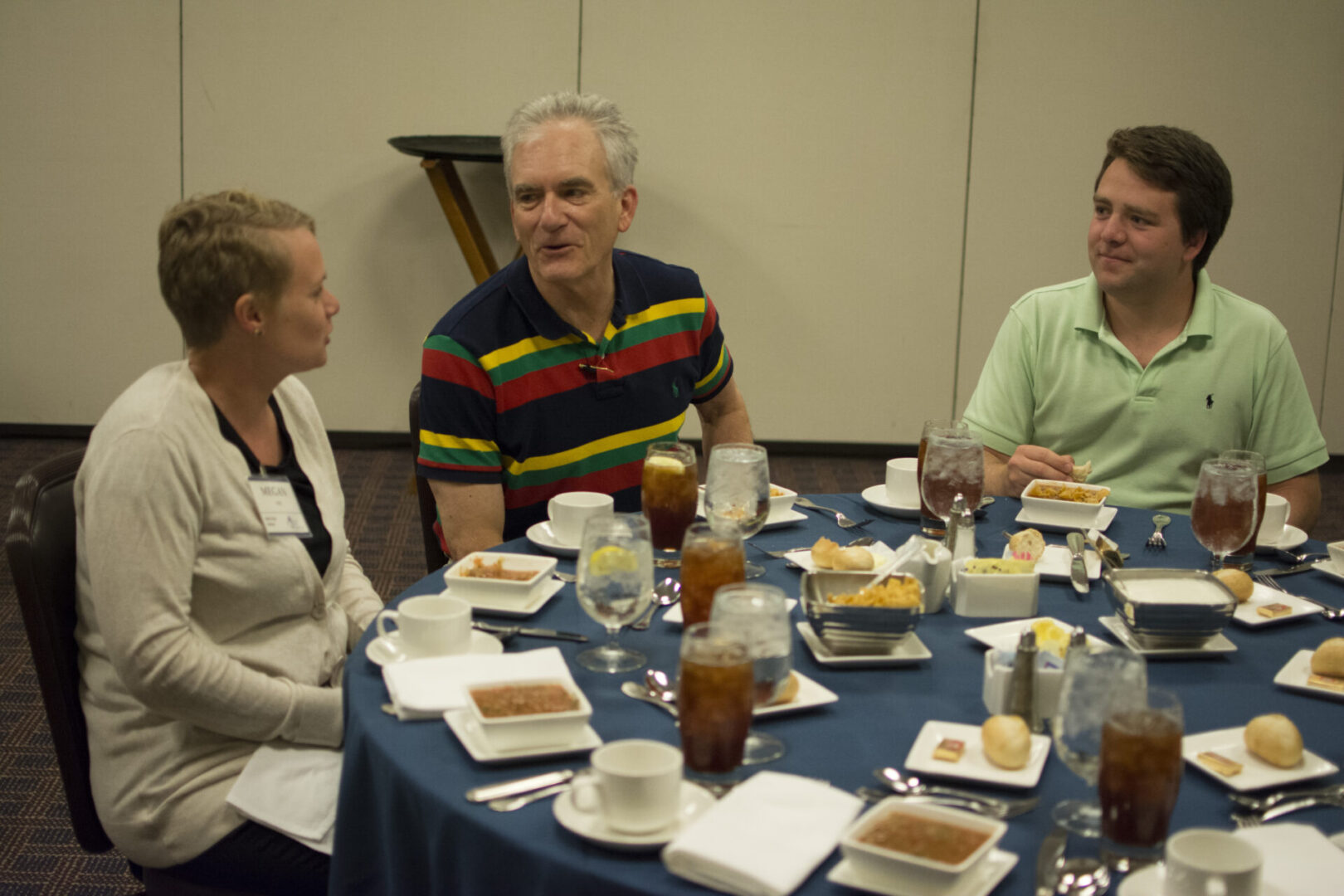
The 10 members of this year’s class hailed from states across the country, with career paths ranging from ministry and education to law and social work. Although they brought different perspectives, expectations and denominational backgrounds, each arrived with one purpose: to become better advocates for religious liberty.

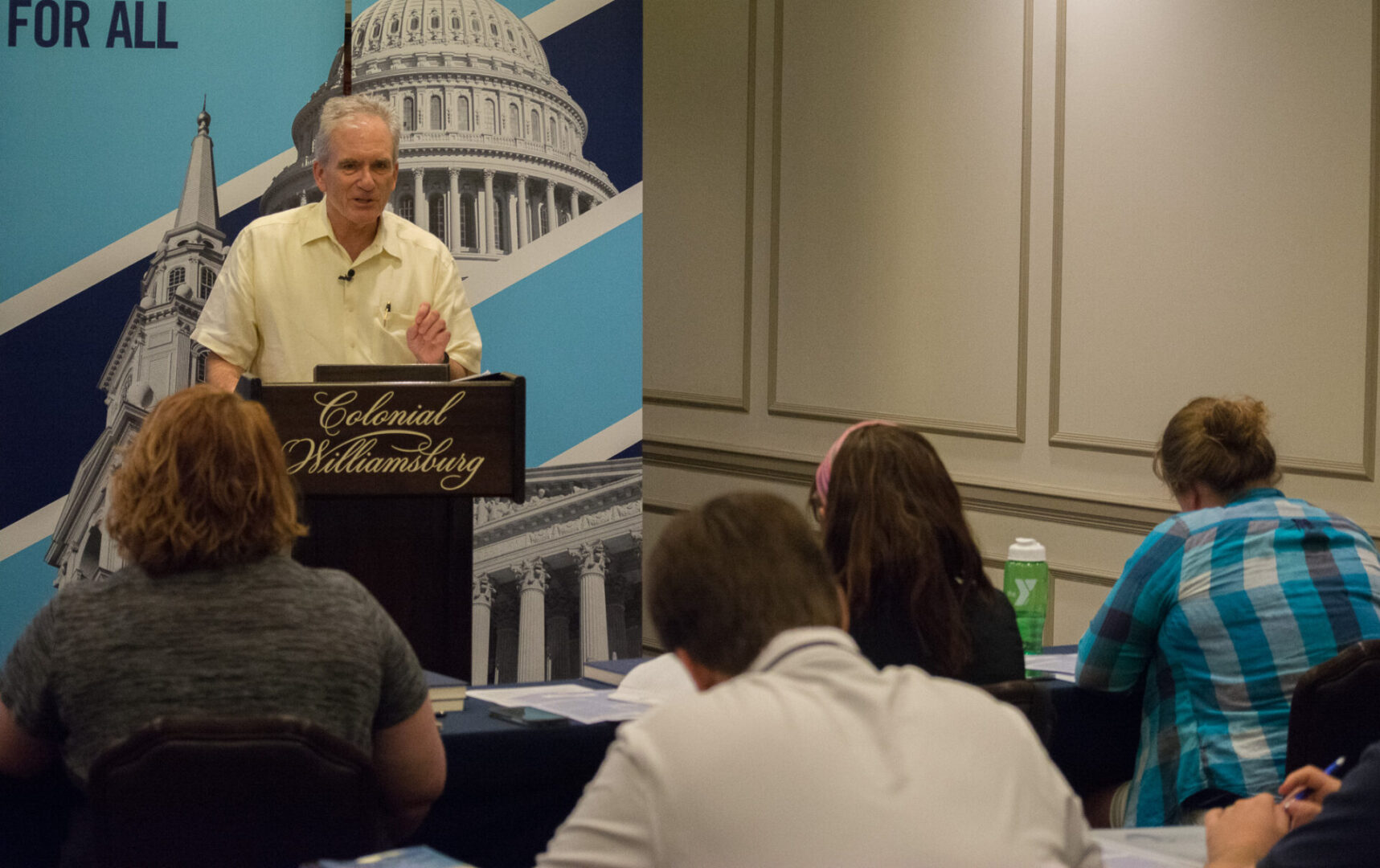
Over the course of four days, the Fellows learned about religious liberty from legal, historical and theological perspectives. BJC Executive Director Brent Walker gave the Fellows a primer on religious liberty issues and policies in the United States. Following an introduction about the BJC’s legal work from General Counsel Holly Hollman, Associate General Counsel Jennifer Hawks provided an in-depth view of court cases that have shaped religious liberty law and policy.
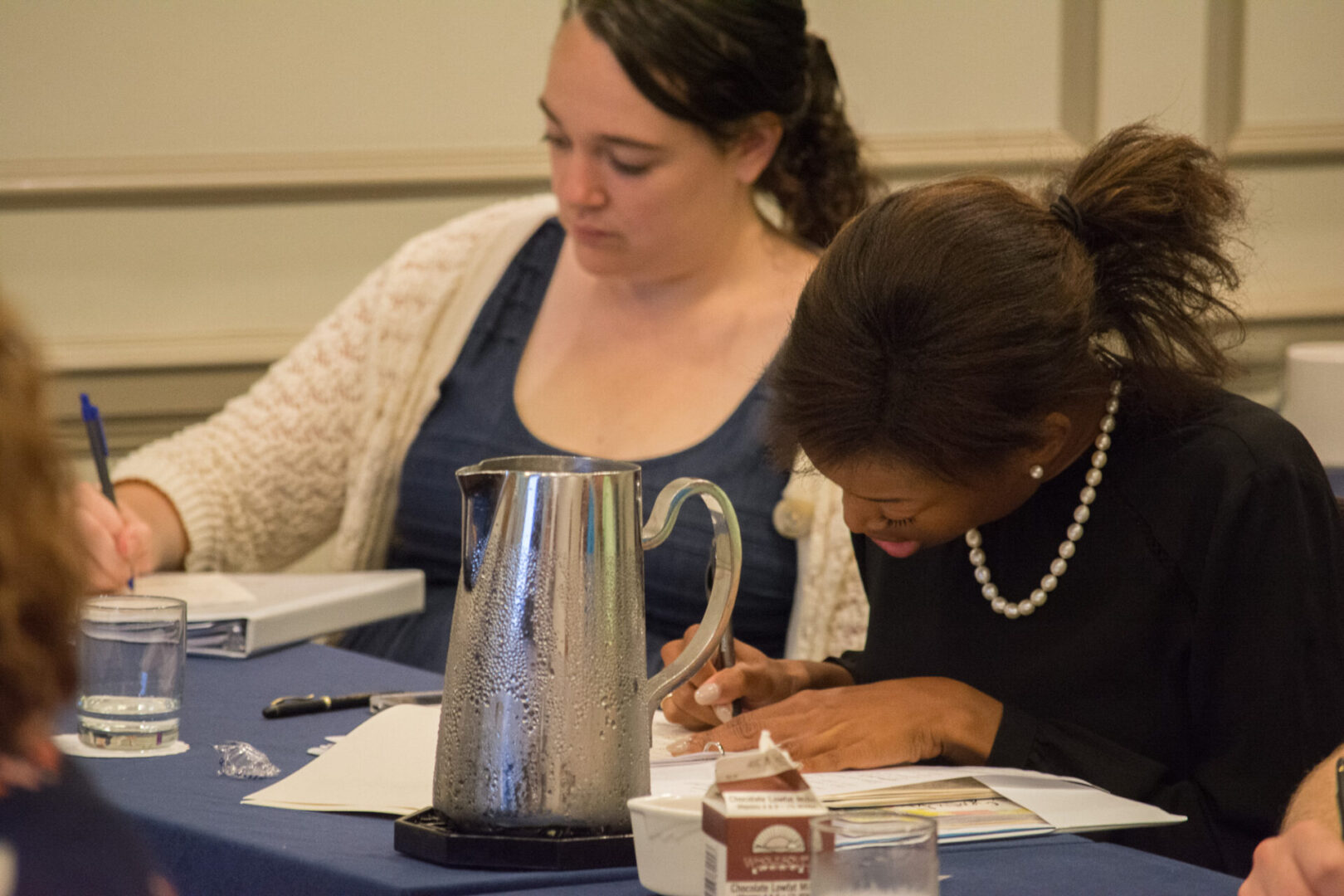
“Re-thinking Baptist theology as a theology of freedom was a revelation for me. Through this new way of understanding the origins of Baptist life in the U.S., my identity as a young, Black woman called to ministry in the church and in the world made sense. My Fellows experience served to reinforce my growing consciousness of Baptist history as a history of inclusion rather than exclusion.”
– Jaimie Crumley
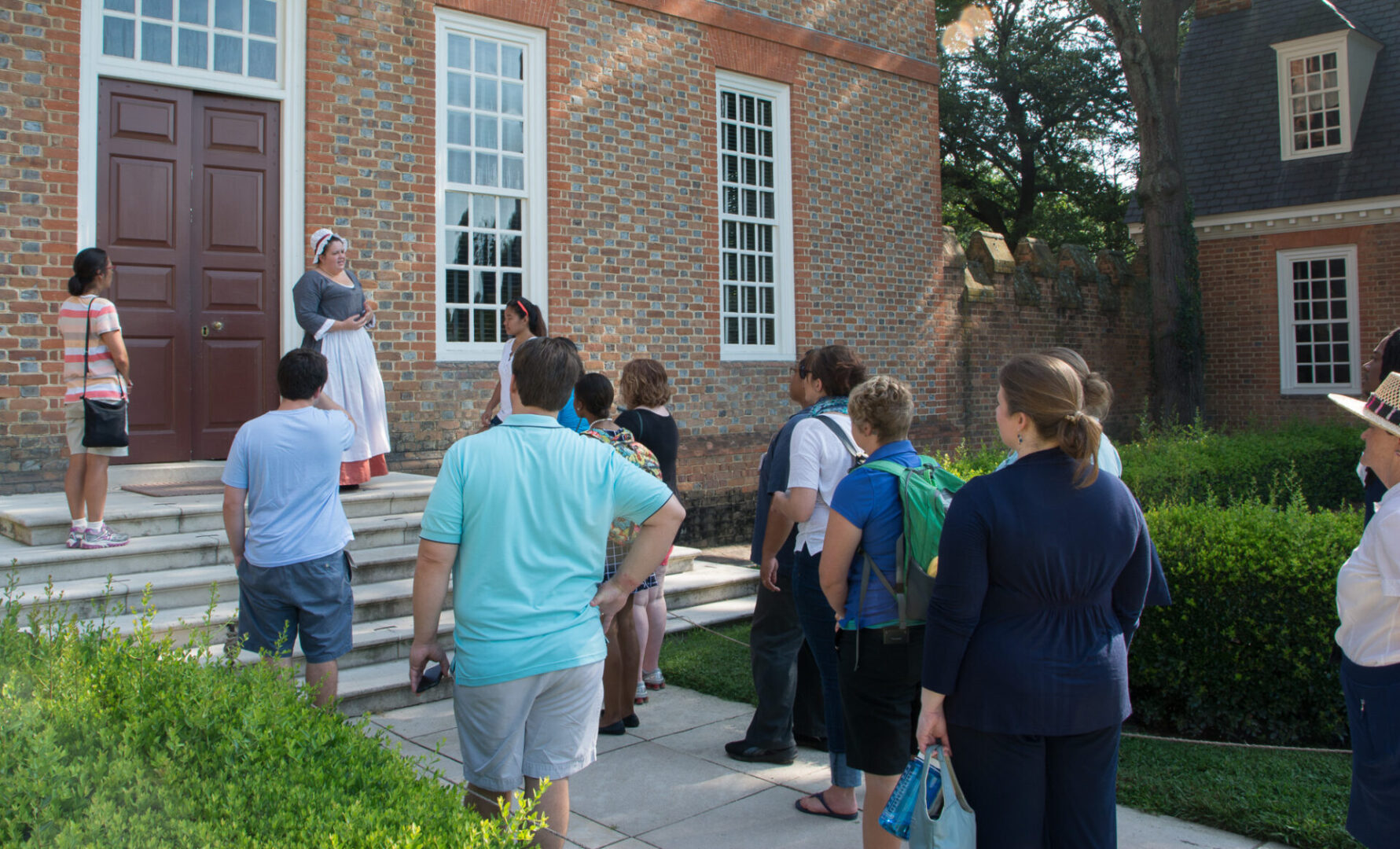
Their education extended well beyond the classroom. At the beginning of the Seminar, the Fellows took an extended tour of the historic grounds at Colonial Williamsburg. Not only did they learn about everyday life during colonial times and see sites like the Governor’s Palace, but they also discovered how people worshipped and practiced their faith.
“History wants us to believe that the Founders were dichotomous robots that could come out vehemently and uniformly on one side of the issue or the other. I have discerned that religious liberty is a ‘touchy subject,’ in part, because it is complex and cannot neatly fit society’s desire to compartmentalize between conservative and liberal.” – Mariamarta Conrad

“Buoyed by the knowledge of a common goal in the promotion and protection of religious liberty, we shared our experiences, our questions, and our doubts. On Wednesday of that week, ten strangers arrived in the living historical site that is Colonial Williamsburg, but on the following Sunday, ten friends departed amongst heartfelt goodbyes.” – Brian Knight
The 10 members of this year’s class hailed from states across the country, with career paths ranging from ministry and education to law and social work. Although they brought different perspectives, expectations and denominational backgrounds, each arrived with one purpose: to become better advocates for religious liberty.
Over the course of four days, the Fellows learned about religious liberty from legal, historical and theological perspectives. BJC Executive Director Brent Walker gave the Fellows a primer on religious liberty issues and policies in the United States. Following an introduction about the BJC’s legal work from General Counsel Holly Hollman, Associate General Counsel Jennifer Hawks provided an in-depth view of court cases that have shaped religious liberty law and policy.
“Re-thinking Baptist theology as a theology of freedom was a revelation for me. Through this new way of understanding the origins of Baptist life in the U.S., my identity as a young, Black woman called to ministry in the church and in the world made sense. My Fellows experience served to reinforce my growing consciousness of Baptist history as a history of inclusion rather than exclusion.”
– Jaimie Crumley
Their education extended well beyond the classroom. At the beginning of the Seminar, the Fellows took an extended tour of the historic grounds at Colonial Williamsburg. Not only did they learn about everyday life during colonial times and see sites like the Governor’s Palace, but they also discovered how people worshipped and practiced their faith.
“History wants us to believe that the Founders were dichotomous robots that could come out vehemently and uniformly on one side of the issue or the other. I have discerned that religious liberty is a ‘touchy subject,’ in part, because it is complex and cannot neatly fit society’s desire to compartmentalize between conservative and liberal.” – Mariamarta Conrad
“Buoyed by the knowledge of a common goal in the promotion and protection of religious liberty, we shared our experiences, our questions, and our doubts. On Wednesday of that week, ten strangers arrived in the living historical site that is Colonial Williamsburg, but on the following Sunday, ten friends departed amongst heartfelt goodbyes.” – Brian Knight
Read Reflections From the 2016 BJC Fellows
2016 BJC Fellows: Historical truth, inspirational unity and religious liberty for ALL by Sarah Amick
As a Virginian, I was aware of the colonial history of my state, and I knew of Colonial Williamsburg as a unique place where one could personally encounter the early revolutionary history of the United States of America. As a Baptist, however, I did not know that the history of my faith tradition and its impact on historical figures and founding documents could also be encountered here. As a BJC Fellow, I have learned so much about our nation’s beginnings, the need for religious freedom and how important it is to continue protecting and promoting that freedom.
George Washington, Thomas Jefferson, James Madison and Benjamin Franklin were all familiar to me, thanks to history lessons over the years. These historical figures and “founding framers” of our country are well-known by most Americans. But what about John Leland and Gowan Pamphlet? How many people have heard their names and know their stories? Thanks to the BJC Fellows Seminar, I had the wonderful experience of “meeting” John Leland and Gowan Pamphlet, as well as the famous Thomas Jefferson, through historical interpreters.
John Leland was a Baptist preacher who traveled to Virginia to work for religious freedom, not just for his fellow Baptists, but for people of all denominations and faiths. It was interesting to learn that John Leland actually interacted with Thomas Jefferson and James Madison, and he influenced the drafting of the First Amendment. Prior to preparing for the BJC Fellows Program, I had no idea just how severely Baptists and other “dissenting” minorities had been persecuted throughout the colonies. This new knowledge really helped me understand why the First Amendment was so necessary. Not only were John Leland and other Baptist leaders at the time working to secure religious freedom for all, but they were also abolitionists. It was incredibly moving to hear about Gowan Pamphlet, the only ordained black preacher in America in 1772, who was freed from slavery in 1793. His story is one that all Americans and all Baptists should know and share.
Speaking of stories from history that all should know and share, Michael Meyerson’s book, Endowed by Our Creator: The Birth of Religious Freedom in America, is filled with such stories. Meyerson even included the following quote from John Leland at the beginning of his book: “Truth is as essential to history as the soul is to the body.” I learned so much from reading this book, and I was delighted to discover that Professor Meyerson was one of our speakers during the Seminar! After reading all about his research and discoveries regarding religious freedom, it was exciting to be able to discuss these historical accounts and issues with him in person.
One of my favorite stories from Meyerson’s book, which he also referenced in his Friday morning lecture during the Seminar, is about Benjamin Franklin designing what was essentially an interfaith center in Philadelphia. Meyerson writes, “[R]eflecting the inclusive view of religion held by both Whitefield and Franklin, the structure was made available without religious discrimination. According to Franklin, the property was ‘expressly for the use of any preacher of any religious persuasion who might desire to say something to the people at Philadelphia; the design in building not being to accommodate any particular sect, but the inhabitants in general; so that even if the Mufti of Constantinople were to send a missionary to preach Mohammedanism to us, he would find a pulpit at his service.’” I was surprised, yet pleased, to learn that Benjamin Franklin was being intentionally inclusive of not just all Christians, but of all religions. The colonial period was a time when Baptists, Presbyterians, Quakers, other minority Protestant denominations, and especially Catholics and Jews, faced horrible discrimination, and even death for their beliefs.
Brent Walker addressed the topic of Muslims as a minority during his lecture on Friday, in which he discussed current myths regarding the separation of church and state. One of the myths he debunked was that “Islam is at odds with American values and all Muslims hate all Americans.” As an American Christian married to a Muslim, I know for a fact that this statement is false! Just as Baptists were mistreated during colonial times, Muslims and adherents to other minority faiths today are the target of many hateful words and actions. Walker’s lectures really helped me to better understand how the BJC has been addressing this issue and fulfilling its mission of “defending and extending religious liberty for all.”
As we discussed throughout the Seminar, it is very difficult to know exactly what may violate someone’s religious freedom, and it is important to be sensitive to that. It is crucial that we continue trying to find the commonalities among us all, even with our various differences of background or belief. One way of doing this is through simply getting to know each other as fellow humans, which is why I was excited to learn more about the “Know Your Neighbor” campaign. I’m incredibly thankful for the BJC Fellows Program, which has not only taught us the history of religious freedom in this country, but it also has encouraged and equipped us to share this knowledge with others!
In Endowed by Our Creator, Meyerson writes, “The framing generation also reminds us that, especially during times of distrust and antagonism, religious acceptance is a fundamental American value. We can learn once more that it is ultimately our decision whether religion will be used to alienate and divide, or to inspire and unify our religiously diverse nation.” I was grateful to learn that George Washington and other founding leaders used deliberately inclusive, open, and respectful language. They knew how divisive religion could be and were intent on preventing that from happening. My intention as a BJC Fellow will be to continue to protect and promote religious freedom and diversity in order to include and unite us all.
The God-given and government-protected gift of religious liberty by John Weber
The Baptist Joint Committee for Religious Liberty’s Fellows Program prides itself on its advocacy in litigation, legislation, and education. These are obviously all intertwined with aspects of theology and spirituality. This perfectly matches my interests and experiences, and it was a wonderful opportunity for me.
My faith has always been an important part of my life. I grew up in a Baptist church in Kentucky, surrounded by a community of other believers. I cared about the religious freedom of others in a theoretical way, primarily for other Christians around the world. However, the issue became much more personal to me when I taught 12th grade government in a tremendously diverse school in Nashville, Tennessee. I realized that religious freedom wasn’t an abstract concept, and it certainly wasn’t just meant for one religion.
Between teaching government, earning a degree in Political Science, and now pursuing a Juris Doctorate, I have a profound appreciation for the United States Constitution and the Bill of Rights. Because of my reverence for our founding documents, I was at first taken aback to hear that religious freedom is a gift from God, not from government at one of the Fellows seminars. This challenged the way that I thought about the issue. Our government didn’t have to provide the freedom of religion, I thought. In fact, its language was far from guaranteed during the constitutional debates. But then I realized what Thomas Jefferson, whom we met in Colonial Williamsburg, wrote in the Declaration of Independence. All people were given “certain inalienable rights,” those that no government could rightfully deny. Religious freedom is truly between people and God, and though governments play an important role in protecting this privilege, its ultimate source is our Creator.
I thoroughly enjoyed the focus on legal issues in current events. The First Amendment’s religious freedom guarantees are separated into the Establishment Clause and the Free Exercise Clause. Christians in the United States are fortunate to freely exercise their religion for the most part. However, the Baptist Joint Committee realizes that an infringement on the religious liberty of one, presents an issue for all. Accordingly, we stand with Christians, Muslims, atheists, and those that exercise other religious beliefs. We are willing to uphold the underlying principle that provides freedom for all, regardless of our beliefs. This is a legal principle. This is a theological principle. God gives us the choice to follow him and our principles of religious freedom respects people’s ability to choose for themselves.
At the same time, I was glad to learn that Christians need not completely separate themselves from their faith when they work in government. It is important for us to embrace our personal religion in the “public square,” politics, and even policymaking. However, it is equally important to respect the religion, or non-religion of our fellow citizens and not impose our beliefs on others through the government. This balance is a vitally important, and necessary, one to strike.
We are fortunate to have the Baptist Joint Committee for Religious Liberty to help maintain our constitutional freedoms and educate the citizenry on respecting and learning from the diversity of religious thought in the United States of America. I look forward to working alongside this organization in Washington, D.C. and my community to preserve the rights of religious liberty for all.
Continuing the Baptist tradition of speaking from the margins by Jo Bair Springer
I am proud to be a Baptist. That is not something I’ve said often, but that is changing due to my time as a 2016 Fellow with the Baptist Joint Committee for Religious Liberty (BJC). As a BJC Fellow, I spent four days in Colonial Williamsburg studying the theological, historical, and legal basis of religious liberty. This time included learning from the BJC staff, lectures by constitutional scholar Michael Meyerson, and meeting historic interpreters. I came away from this time proud of my Baptist heritage and eager to share the stories of the early American Baptists.
In Colonial America, Baptists experienced persecution from the religious establishment. This persecution served to solidify the Baptist commitment to religious liberty, not only for themselves, but for all humankind. Brent Walker spoke on the Baptists as “a biblical people committed to religious liberty for all” and outlined the biblical and theological predicates for this position. He noted that we cannot go to proof texts, but must rather consider the “pervasive principles, inferences, and suggestions throughout the Bible” that God has created humankind to be free.
Two early Baptists visited our class by way of historic interpreters. Fred Anderson from the Center for Baptist Heritage and Studies portrayed John Leland. Leland was a traveling Baptist minister who gained the ear of James Madison and Thomas Jefferson. The fruit of their interactions is shown within the founding documents of our nation.
Leland and other early Baptists believed that soul freedom was a gift of God, not something which could be bestowed or removed by the state. Therefore, they were unwilling to settle for toleration when God had given them liberty. At the same time, Baptists did not seek liberty for themselves alone, nor for an exalted place for Christianity within the nation.
To this point, Leland wrote, “The notion of a Christian commonwealth should be exploded forever […] Government should protect every man in thinking and speaking freely, and see that one does not abuse another. The liberty I contend for is more than toleration. The very idea of toleration is despicable; it supposes that some have a pre-eminence above the rest to grant indulgence, whereas all should be equally free, Jews, Turks, Pagans and Christians.”
I found listening to James Ingram Jr. as Gowan Pamphlet to be one of the most compelling parts of my time in Virginia. I had never heard of Pamphlet before and his story of faithfulness brought me to tears. Pamphlet was both a slave and one of the earliest ordained black preachers. By 1791, two years before he was emancipated, his church had grown to 500 people. The cornerstone of Pamphlet’s message was the belief in the equality of humankind.
As a BJC Fellow, I see myself as part of the legacy of people like Leland and Pamphlet, who worked for liberty and equality. But their stories are not enough. The work is not done. Religious liberty, according to Dr. Meyerson, is an ongoing process which each generation must continue to advance. It is not linear. Progress is fleeting. Walker reminded us that every liberty is within one generation of being lost. It is now our turn to defend the liberty so many suffered to secure.
As we move into a post-Christendom era, our Baptist fathers and mothers have much to teach us about speaking from the margins. Their influence, including influence upon government, did not come from social status or power. Rather, it was by enduring persecution that Baptists helped win soul liberty for the entire nation.
Developing knowledge and reaching out to share with others by Ashton Wells
I feel very privileged to be a part of the Baptist Joint Committee Fellows Program. The week we spent in Colonial Williamsburg was informative, inspiring, and encouraging. Each element of the program helped form my understanding of religious liberty a little more. Growing up Baptist, the term “religious liberty” was thrown around a lot, but I never really knew what it meant. For example, before this weekend I did not even realize that there was an Establishment Clause and a Free Exercise Clause in the First Amendment. After the week in Virginia, I have the historical knowledge of the importance of religious liberty to the foundation of our country and the modern implications of what religious liberty truly means. I am so grateful to now have the knowledge AND the resources to share this knowledge with others.
Friday was an interesting day, as we heard from a Thomas Jefferson interpreter, as well as Dr. Michael Meyerson, Brent Walker, and Jennifer Hawks. We went from learning about the history of the First Amendment to the current definition of religious liberty and how it plays out in the legal world. One of the main take-aways I had from the program as a whole came from the ideas of Dr. Meyerson and Thomas Jefferson. The Thomas Jefferson interpreter talked about the laws that were forming as he was president, saying “law is living and breathing from on generation to the next.” When Dr. Meyerson was describing early religious liberty in the colonies, he talked about how there are no final victories when it comes to religious liberty. Just because something is written into law does not mean it continues to be interpreted in the same way. The combination of Jefferson and Meyerson led me to the conclusion that religious liberty is just as important today as it was 200 years ago, because law is fluid and is alive. And because law is fluid, it is important that people understand what religious liberty truly means so they can advocate for continued separation of church and state. Jennifer Hawks really brought this idea to light when she was going over the many court cases that the Baptist Joint Committee was following and/or had contributed to. Their advocacy is important because human beings are dynamic and so are the laws that govern our democracy and society. Brent Walker outlined this as he talked about the difficulty there can be in outlining the boundaries between government and religion. It is not that religion does not influence the people who make up our government, but the separation of church and state needs to be advocated for the sake of religious liberty.
During this experience, I was also reintroduced to my belief that relationships are pivotal to making the world go round. One of the questions that kept being asked by different fellows was “how do I share this information with _____?” How do I share this information with those in different denominations? In more conservative/liberal denominations? Those who have a completely different faith? We are unsure of how to reach out to those who are different than us. We debated several different approaches, but I think it all boils down to relationships. People are more likely to listen to people that they trust. They are more likely to consider new ideas when they are presented in a safe space by someone they know. I saw that in just the few days of the Fellows Program. In the beginning, all of our questions to each other centered around basic get-to-know-you questions, none of us really being inquisitive into the thoughts of the other. But by the end of our time together, after we had worked to build relationship with one another, we were able to debate questions in a safe space, and people were more willing to respectfully voice their disagreements. We can grow so much more and achieve so much more if we are willing to reach out respectfully to those who are different than us.
I am so thankful for the experience in Williamsburg and am excited because I know that it is just the beginning of a journey of advocating for religious liberty in my community and with the other fellows. It is exciting to know that I have a group of people to call on when I see religious liberty threatened in my own community. I am excited to begin to invest more in my local government and advocacy efforts, hoping to bring my knowledge of religious liberty to my local context. And I am excited to work within my church context and broader church network to share what I have learned over the next year. I cannot thank the Baptist Joint Committee enough for deciding to invest in me and my future and to help mold me into a better religious liberty advocate.
Get to Know Other Classes