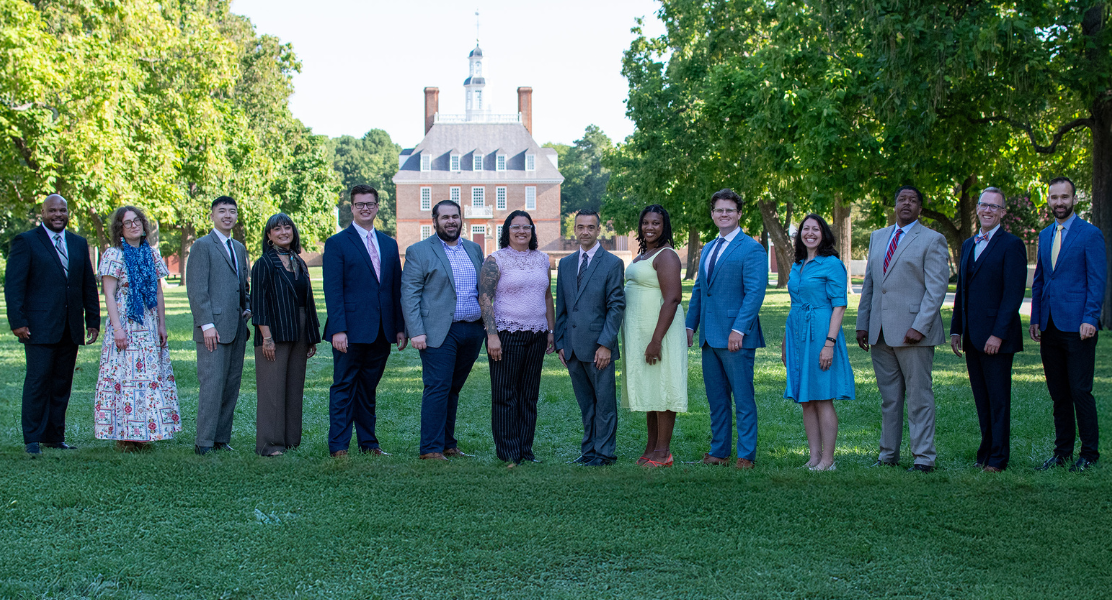
2025 BJC Fellows
The 2025 class brought together 14 young professionals from across the country, representing a range of professions — educators, clergy, nonprofit professionals, social workers and health care workers. This group highlights an important foundation of the program: religious freedom intersects with issues across all sectors of society, and we all have a role to play in protecting it.
Over five hot summer days during the first week of August, the 2025 BJC Fellows gathered in Colonial Williamsburg, Va., and participated in sessions on Christian nationalism, religious exemptions in our nation’s legal landscape, Baptist history and its deep connection with religious freedom for all, and much more.
The BJC Fellows come from diverse theological, educational and geographic backgrounds, all united in their call to defend faith freedom for all. Scroll down to read reflections from the 2025 class.
For more on the BJC Fellows program, visit BJConline.org/Fellows.
Read Reflections from the 2025 Class
While a majority of our time was spent indoors, with distinguished speakers, activists, and academics, the most meaningful part for me was when we had the opportunity to take a tour of Colonial Williamsburg. We meandered through the town on a summer morning, sweat pouring out of us while we drank in the stories of this country’s founders; both the famous names and those of the often-ignored enslaved people who built the literal foundations of our country. Much of what we do when we advocate is tell stories because people connect to stories. And a story is more real when parts of it are tangible, like the setting.
Since I liked the tour so much, the idea of taking a late-night ghost tour later in the week made me giddy. … I think part of the reason I like ghosts is that I don’t think they exist. Not in the “ephemeral consciousness listlessly drifting out of proper time and space;” or historic-looking holograms depicting tragic events; or “wayward spirits mourning the lives the lived” ways, anyway. I do think they exist in the way that stories and history haunts our imaginations. Those ghosts pick at the edge of your mind and force you to imagine the great tragedies, horrors, triumphs, and mythologies of our history.
I think of the ghost of the Rev. Gowan Pamphlet — I first encountered him in the Rev. Dr. Nathan Taylor and the Rev. Dr. Corey D.B. Walker’s stories of the first Black church in America being excavated in Williamsburg, and I encountered him again when we listened to the historical interpreter who has portrayed the Rev. Pamphlet for 30 years. The tragedy of his story haunts me because I’d never it heard before. Like so many other non-white, non-male figures in history, he wasn’t present in my grade-school history textbooks. However, I think I encountered his spirit in Colonial Williamsburg.
Similarly, the ghosts of the Baptist preachers at the jail haunt me. Their sermons on separation of church and state resounded as much because they were delivered from behind bars as they did because of the volume at which they were preached; showing us glimpses of what it meant to preach religious freedom when that was tantamount to treason against the king.
Kale Anderson / Little Rock, Arkansas
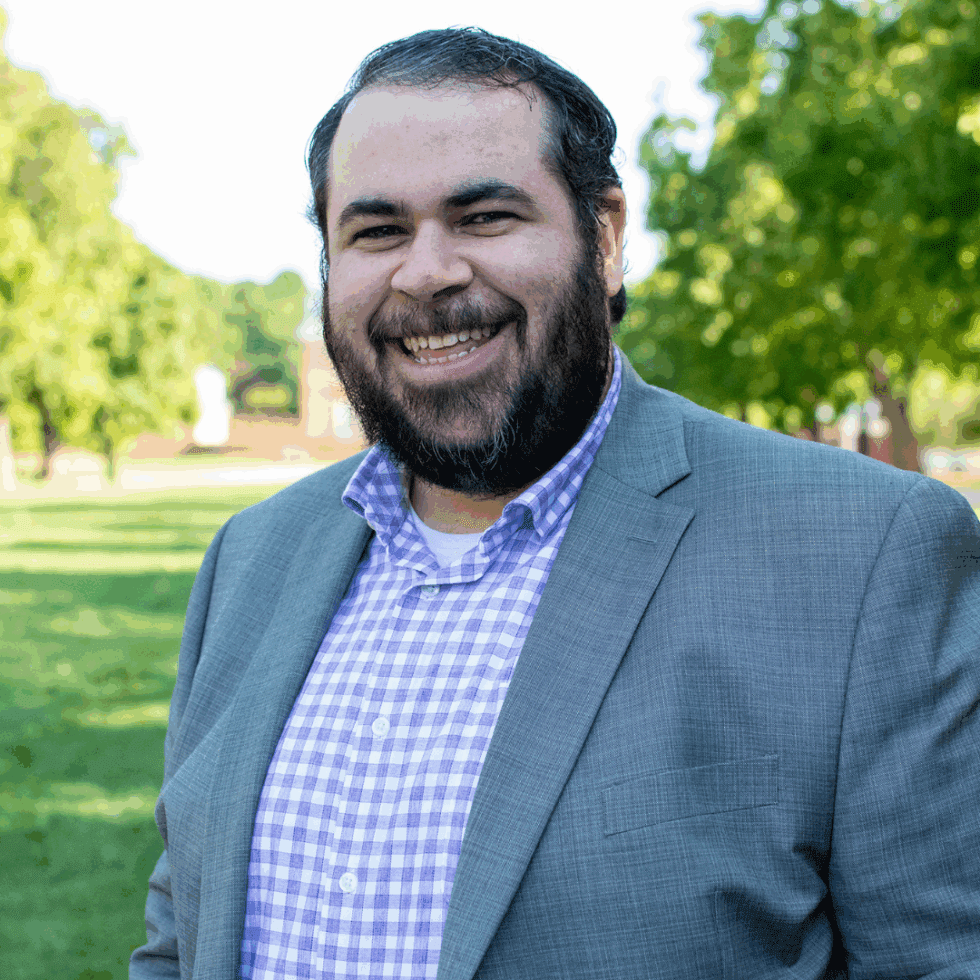
While a majority of our time was spent indoors, with distinguished speakers, activists, and academics, the most meaningful part for me was when we had the opportunity to take a tour of Colonial Williamsburg. We meandered through the town on a summer morning, sweat pouring out of us while we drank in the stories of this country’s founders; both the famous names and those of the often-ignored enslaved people who built the literal foundations of our country. Much of what we do when we advocate is tell stories because people connect to stories. And a story is more real when parts of it are tangible, like the setting.
Since I liked the tour so much, the idea of taking a late-night ghost tour later in the week made me giddy. … I think part of the reason I like ghosts is that I don’t think they exist. Not in the “ephemeral consciousness listlessly drifting out of proper time and space;” or historic-looking holograms depicting tragic events; or “wayward spirits mourning the lives the lived” ways, anyway. I do think they exist in the way that stories and history haunts our imaginations. Those ghosts pick at the edge of your mind and force you to imagine the great tragedies, horrors, triumphs, and mythologies of our history.
I think of the ghost of the Rev. Gowan Pamphlet — I first encountered him in the Rev. Dr. Nathan Taylor and the Rev. Dr. Corey D.B. Walker’s stories of the first Black church in America being excavated in Williamsburg, and I encountered him again when we listened to the historical interpreter who has portrayed the Rev. Pamphlet for 30 years. The tragedy of his story haunts me because I’d never it heard before. Like so many other non-white, non-male figures in history, he wasn’t present in my grade-school history textbooks. However, I think I encountered his spirit in Colonial Williamsburg.
Similarly, the ghosts of the Baptist preachers at the jail haunt me. Their sermons on separation of church and state resounded as much because they were delivered from behind bars as they did because of the volume at which they were preached; showing us glimpses of what it meant to preach religious freedom when that was tantamount to treason against the king.
Kale Anderson / Little Rock, Arkansas
Meet the BJC Fellows