2018 BJC Fellows
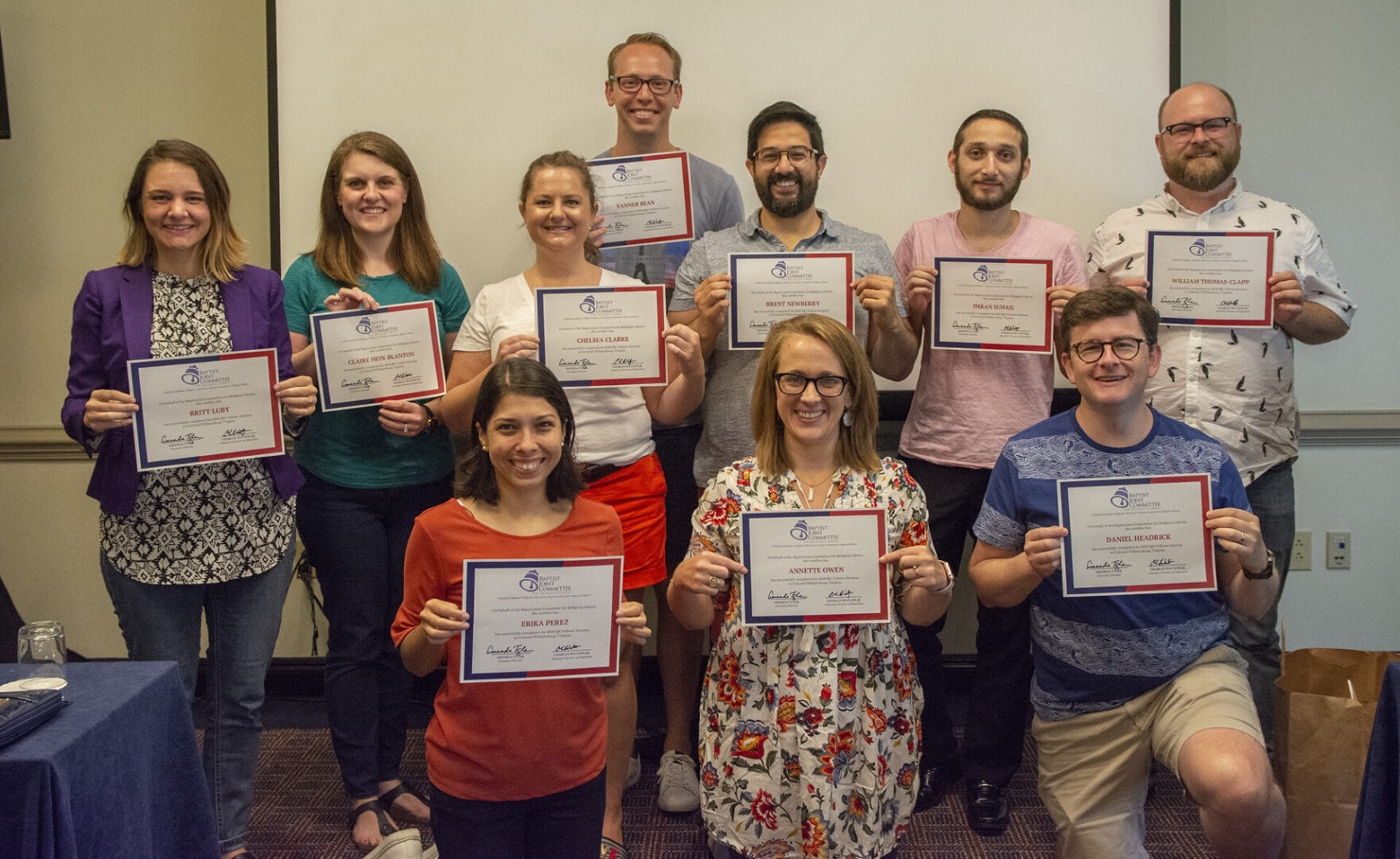
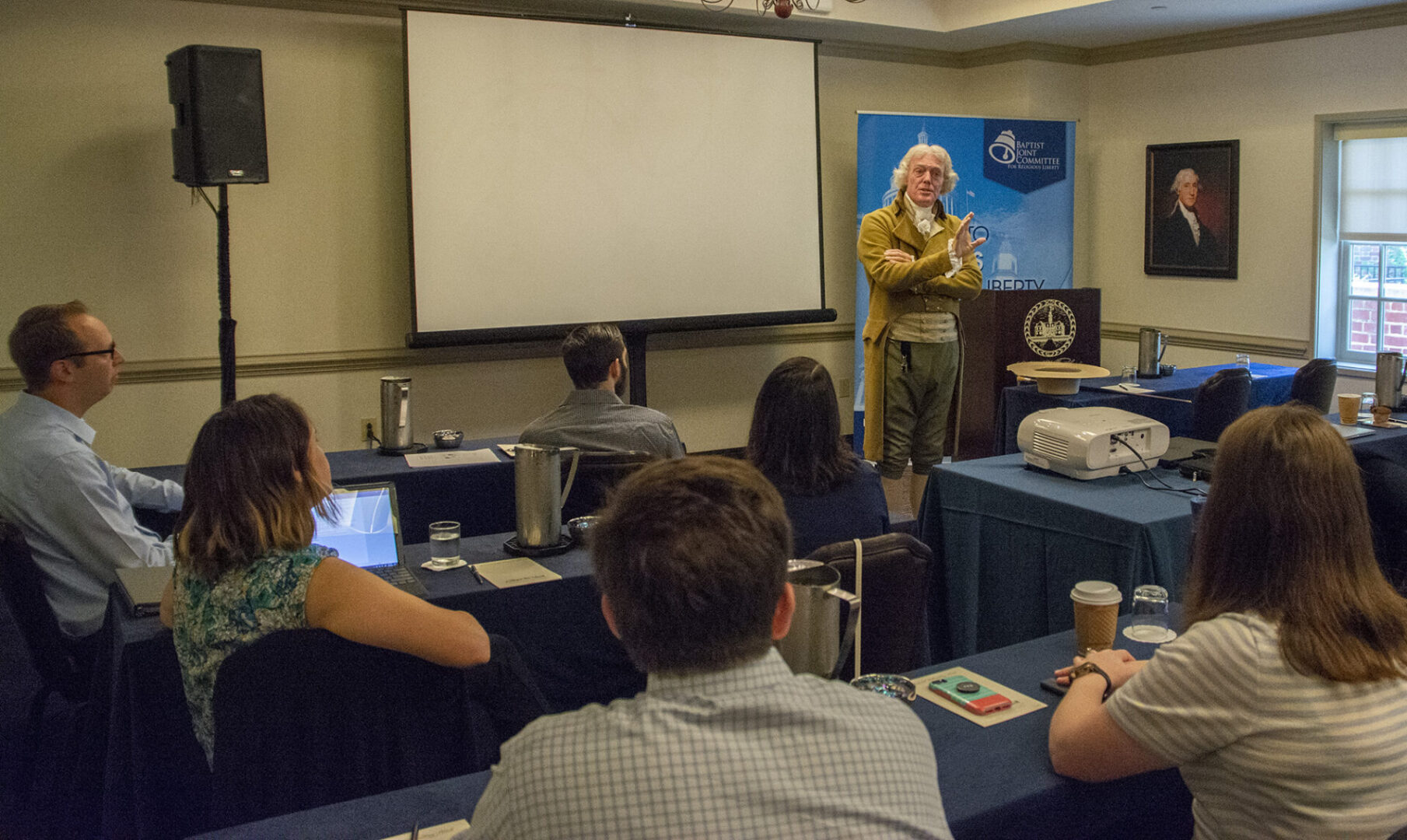
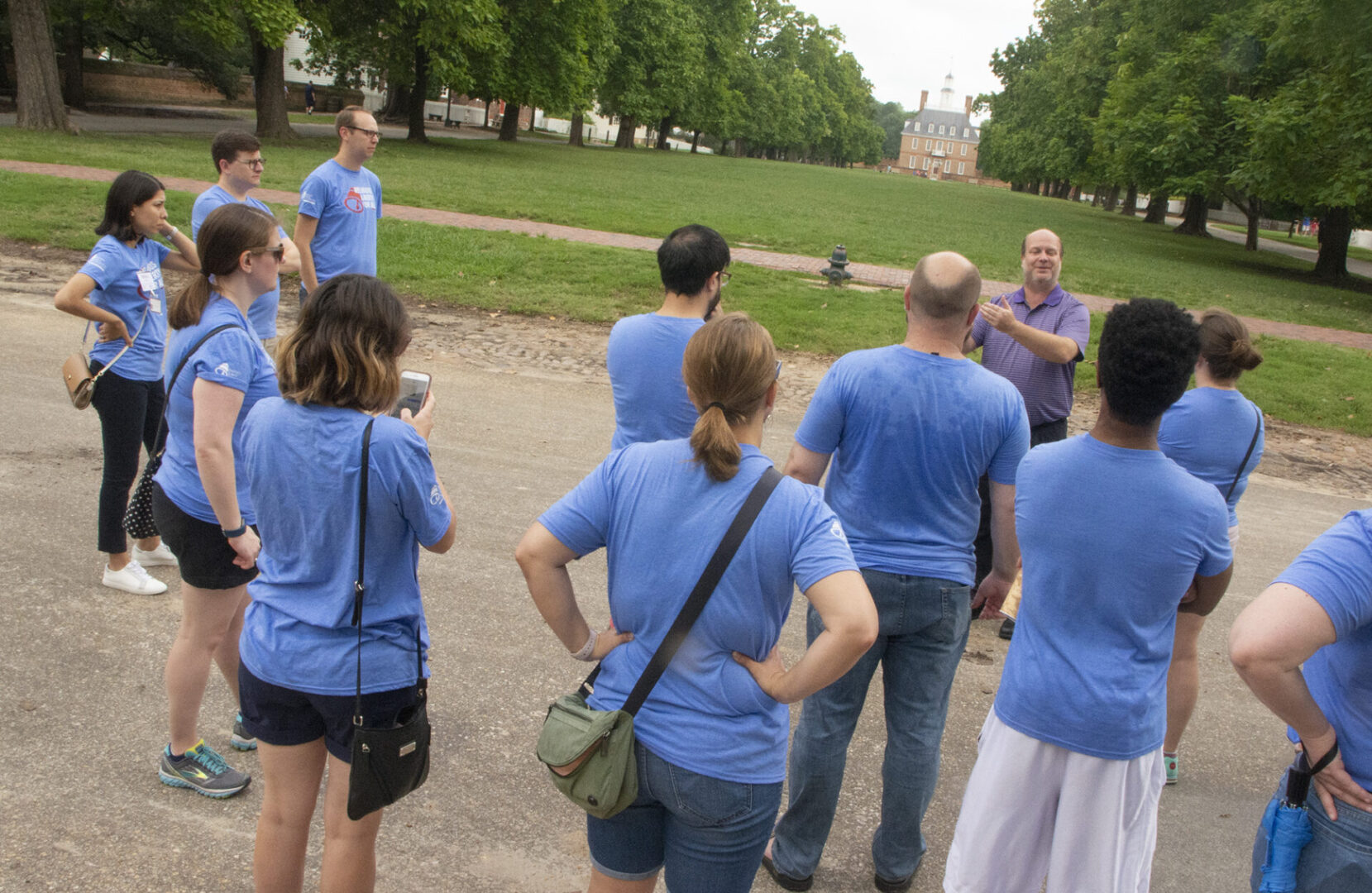
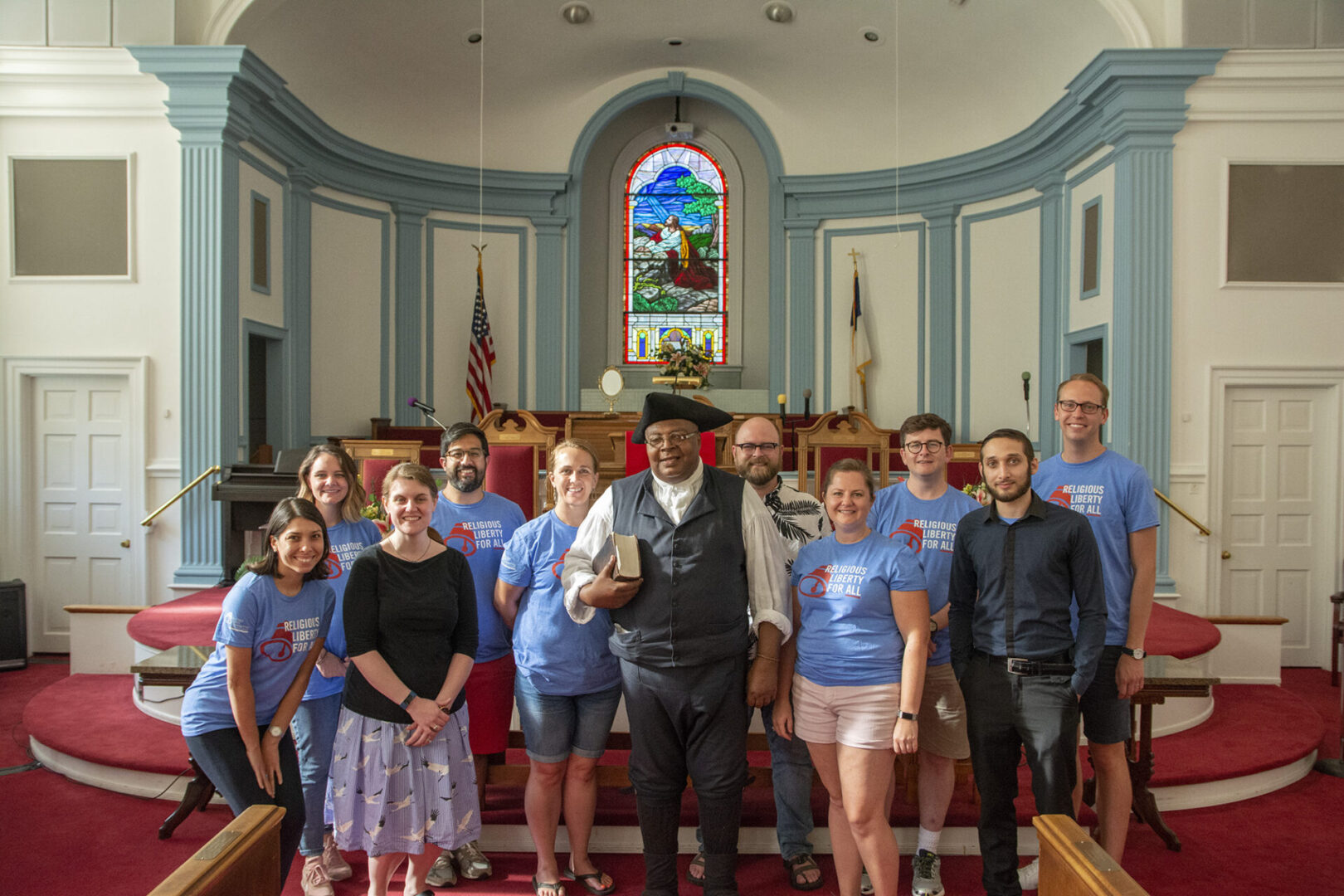
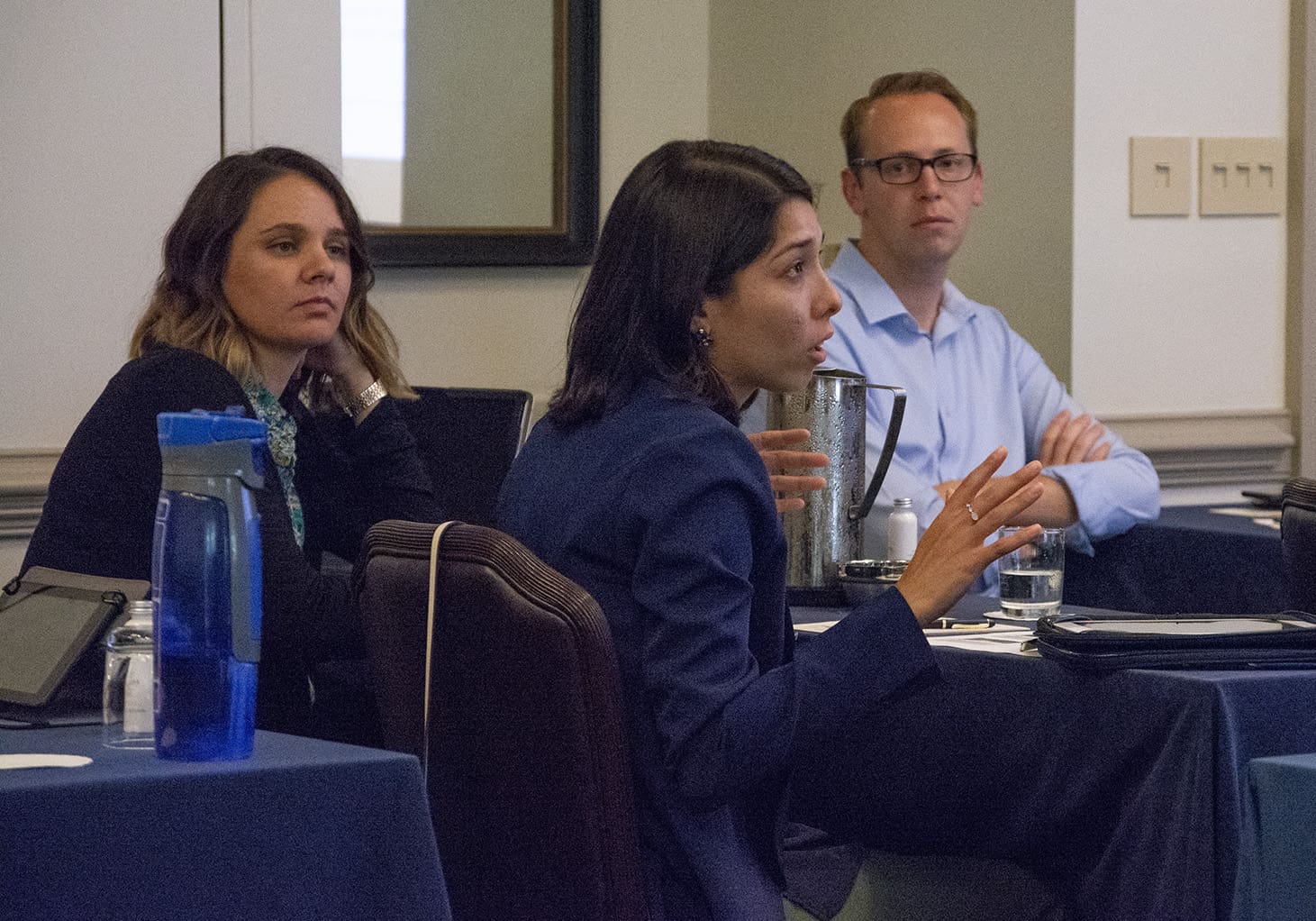
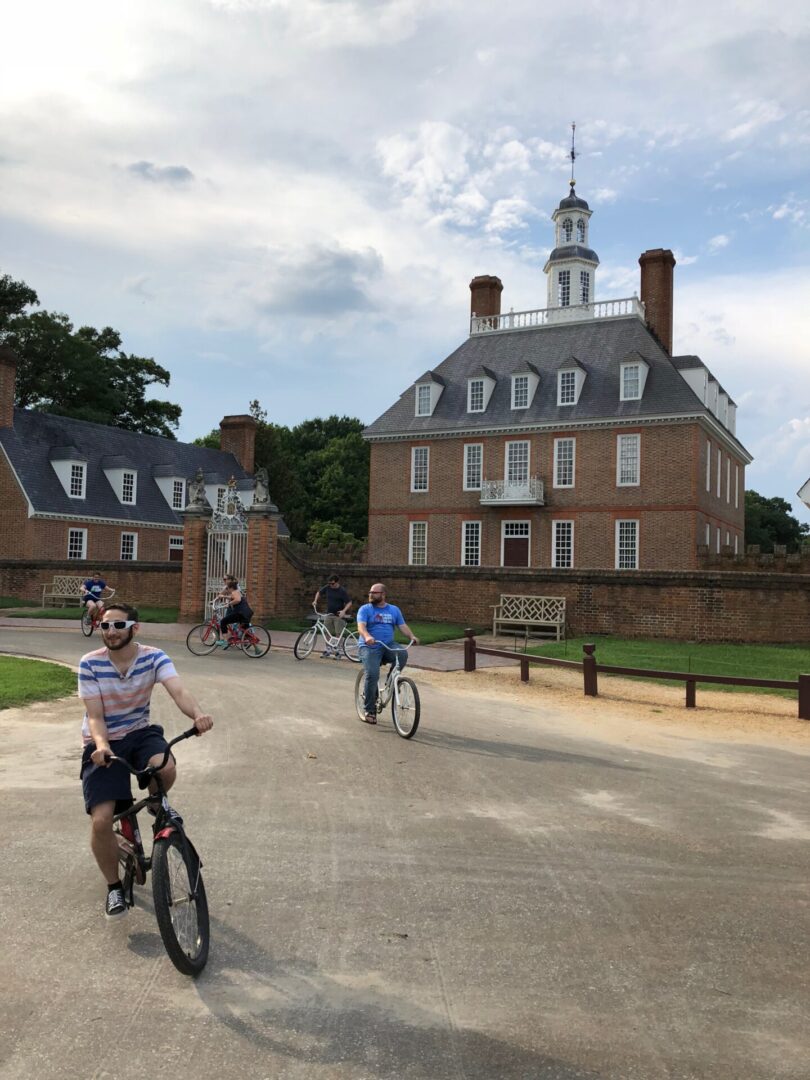
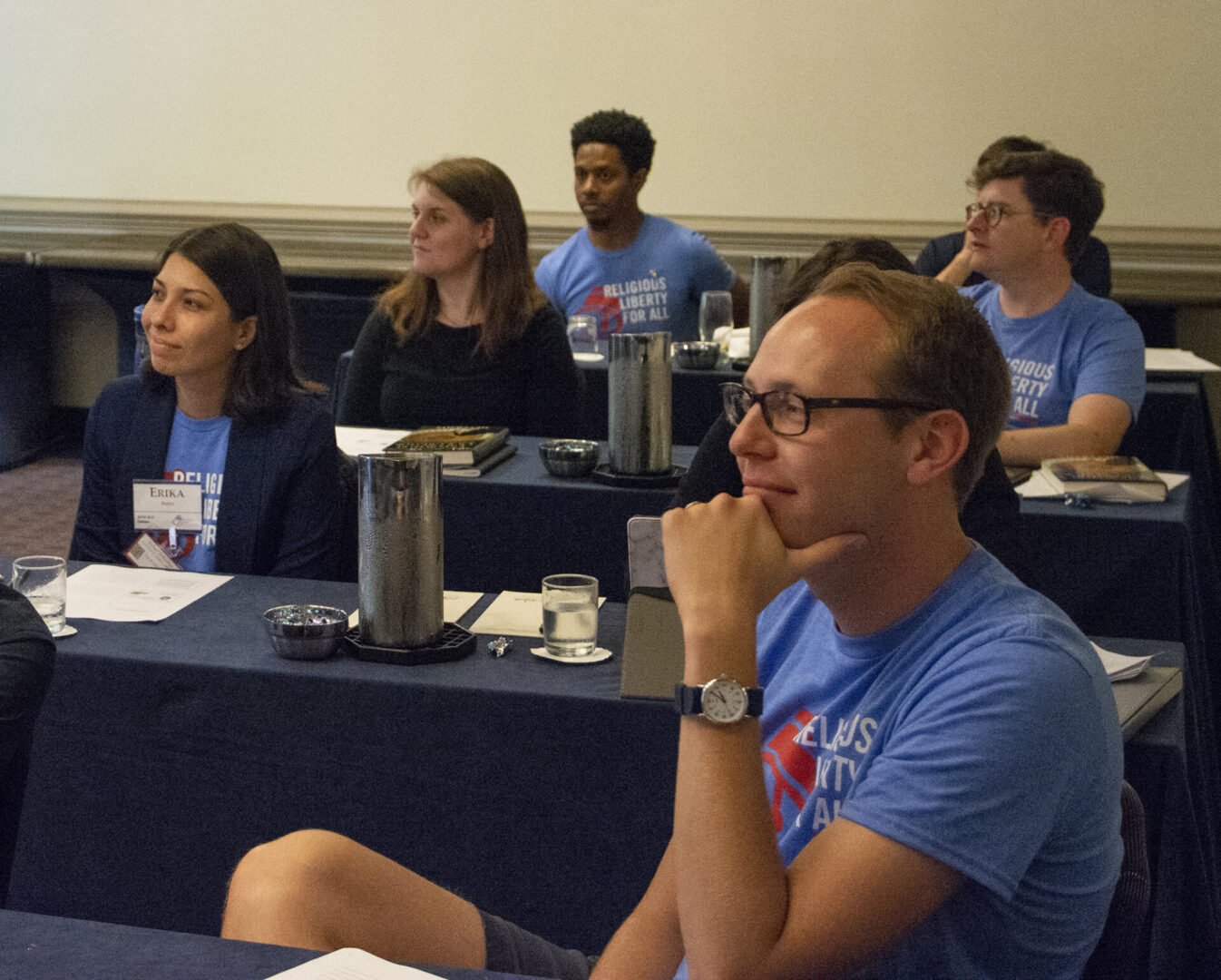
In July 2018, ten BJC Fellows — from eight different states and D.C. — gathered in Colonial Williamsburg for an intensive seminar. BJC staff, historical interpreters and other experts led them in conversations and lessons about religious liberty and advocacy. In this class, 30% identify as a faith other than Baptist, and 50% are currently serving as clergy. Half of them learned of the BJC Fellows Program through previous BJC Fellows or a visit to the BJC.

-
-
Meet the Class
Britt Luby / Fort Worth, Texas
Claire Hein Blanton / Houston, Texas
Erika Perez / Edinburg, Texas
Chelsea Clarke / Washington, D.C.
Tanner Bean / Boise, Idaho
Brent Newberry / Worcester, Massachusetts
Annette Owen / Warrenville, Illinois
Imran Suhail / Canajoharie, New York
Daniel Headrick / Smyrna, Georgia
Will Thomas-Clapp / Falls Church, Virginia
-

I was joined by nine others who were devoted to religious liberty — seven Baptists, a Mormon, a Catholic and a Muslim. We bonded over history, theology, law and seeing the anachronism of a person dressed in 18th century garb driving a golf cart.
-Daniel Headrick
-
The BJC Fellows Seminar in Colonial Williamsburg is a bit like off-season training camp for religious liberty advocacy and education. The incredible staff not only open up their playbook, but my BJC Fellows cohorts shared ideas that both validated and challenged my own beliefs and world view. The guest lecturers, historical interpreters, tours and assigned readings were like watching old game tapes – they provide valuable information and a historical context that inform today’s realities.
-Chelsea Clarke
-
While my presence and participation in the BJC Fellows Program was the result of my interest in religious liberty, ringing the Freedom Bell with my colleagues was a call to action — a reminder that we all have a part to play in this ongoing work of protecting and promoting religious liberty. It reminded me of the good news that we’re not alone in this work.
-Annette Owen
-
I learned that Baptists had a commitment to religious liberty and church-state separation since the beginning of the establishment of our country and where the catalyst for religious freedom in the United States. Baptists believed that religious freedom was a right granted as a gift by God and was rooted in their biblical and theological foundations. They saw the authority of scripture as paramount because it spoke about the nature of God, nature of Christ and the nature of humanity, as a divine source of freedom, love, community and liberation.
-Erika Perez
-
I have come home with a renewed sense of urgency for making those new challenges something my community — of friends, family and church members — aware of how our world could change, if only we would get involved.
-Will Thomas-ClappThrough hearing different speakers, it became clear that the government doesn’t give us our rights but merely recognizes and protects them.
-Imran Suhail -
Now I am aware why the BJC is so important and why awareness of, and education in, our inheritance of religious liberty is so important. Until people are fully aware of how unsettled such liberties truly are, silence and often neglect provide avenues for those same liberties to be undermined.
-Tanner BeanI left our final session strangely energized and slightly optimistic. History often repeats itself, but every once in a while, committed individuals are able to alter it in small but foundational ways. In this room were nine other individuals with different spheres of influence that were as committed to protecting the right of religious liberty as I was.
-Claire Hein Blanton
Learning About my BJC Neighbors by Britt Luby
Bound by my Catholic faith to recognize and to honor the dignity every person with a particular interest in interfaith collaboration and meeting the needs of those on the margins, I was drawn the work of the Baptist Joint Committee and the effort they pour into protecting religious liberty for all. I work on a college campus where, recent survey results have shown us, students state that they think more favorably of people from different religious traditions if they know someone from that tradition. My role as a chaplain on a college campus allows me to create spaces for interreligious dialogue and advocacy, but I have been itching for ways to take this advocacy to the next level.
The first day of our training, Charles Watson pleaded with us not to be combative with the Thomas Jefferson impersonator. Throughout the course of the seminar, I kept wondering, “What happened last year?” And despite not having the answer, I know this plea is reflective of the enormous amount of intelligence and activism in the room. BJC Fellows are curious. We ask questions, we crave facts, and we advocate for all. It is a privilege for me to be counted in the Baptist Joint Committee family.
Unfamiliar with the tenets of Baptist theology and the core values of Baptist communities before the seminar, I am grateful for the opportunity to learn about my Christian brothers and sisters. I had some baseline assumptions of what Baptists were like based on my limited interactions at home, but the people I met blew my assumptions away. Just as within the Catholic Church, Baptists are diverse and complicated. Like me, Baptists navigate a church that is both beautiful and broken. We share a commitment to the dignity of each person, and having that foundation makes collaboration natural and easy. In addition, the voices of other non-Baptists at the seminar made our conversations richer. Each participant brought their full, authentic (and quirky!) self to the table, and we listened to each other with genuine curiosity and respect. I do not know if I have ever learned more from a relatively small group of people.
Using what I learned at the BJC Fellows Seminar, I will be reframing the why of interfaith work on the Texas Christian University campus. I serve as a staff advisor for TCU Better Together, our campus interfaith club that works closely with Interfaith Youth Core. This diverse club meets weekly to engage in activities like interfaith dialogue, community service, and visits to local areas of worship. While facilitating a student club that centers on free food and conversation is both fun and meaningful, I now have the knowledge I need to inject a more intentional why into the organization. Our student organization matters because we are learning about our neighbors. Learning about our neighbors matters because we are called, as people of faith, to love our neighbors. And loving our neighbors requires us to advocate for our neighbors. In continued collaboration with the BJC, I know I can empower these students to be advocates for all.
Britt Luby is the Associate Chaplain at Texas Christian University’s Office of Religious and Spiritual Life, in Fort Worth, Texas.
Liberty is Essential to Human Dignity by Brent Newberry
Growing up with privilege in America, I took religious liberty for granted. In fact, I only viewed religious liberty from the perspective of someone from above, or as someone from the inside. My time in Williamsburg further opened my eyes to the vantage points of people from the bottom, and the outside.
Baptists were those people at one time. Maybe not in the South when I was a kid, but two hundred plus years ago, they were the ones who were imprisoned; they were the ones they tried to silence. The irony is that you can’t really shut Baptists up. If there’s one thing we’re good at, it’s making a raucous. Even in prison, they found ways to preach the Good News.
Of course, even my knowledge of Baptists is skewed toward my privilege. I knew of Roger Williams, of the Massachusetts Baptists who were exiled to Rhode Island, of John Leland and the role Baptists played in the Bill of Rights. I wasn’t aware of the Black Baptists’ role in the early days of our history.
I was moved nearly to tears as we sat together and learned about the Black Baptist Meetinghouse in Williamsburg. As we read about the courage of these enslaved persons, I couldn’t help thinking how we give so much attention to the ministers—most often white—not just when they’re famous or charismatic, but even when they’re persecuted. Yet here an entire congregation was enslaved, in a lifelong prison, and we don’t celebrate them like we do the white Baptist preachers who were locked up. If the Baptist tradition was borne of dissent and courage, then black Baptists embodied it better than most.
At the First Baptist Church of Williamsburg, I was invited into the pride and celebration of this historic church. Begun in 1776, this black Baptist congregation first met in a bog or a forest, with their first black pastor, and here we were nearly 250 years later ringing a bell in a historic sanctuary that had been rung by the first black President. As a Baptist pastor, I’m a descendent of this history, whether I’d ever been taught so or not.
I’m still processing why the racial oppression of slavery weighed so heavily on my heart and mind during a seminar on religious liberty. Except I can’t escape the juxtaposition of the notion of religious liberty against the backdrop of enslaved persons’ churches. One historical marker noted that the enslaved persons turned to the Baptist and other Christian congregational traditions because “everyone was equal in the eyes of God.”
Because liberty is essential to human dignity. They’re inextricably linked. We cannot fully recognize someone’s dignity if we don’t ensure their liberty. Freedom of conscience, to worship how or who or what one chooses, is what it means to be human. If that is kept from someone, then dehumanization has already begun, and slavery, whether in makeshift cages at a border or internment camps in WWII or chains during the Civil War, is only a step or two further.
So, religious liberty is about so much more than simply allowing people to worship. It’s about their fundamental right to exist—to be human. When we begin to allow our governments to diminish or denigrate or discriminate against people because of their religion, when entire religions are misunderstood or misrepresented or mischaracterized by our governments, we aren’t protecting anyone—we’re harming everyone.
The challenge of a nation that has ensured religious liberty for two centuries is that charitably, it can create complacency for the religious majority, or more critically, it induces a kind of hypocrisy that forgets that they were once the minority, too, and inevitably will be again.
And that’s the irony of my perspective growing up. A Baptist kid with the privilege of being in the religious majority in the South, taking for granted the very liberty that made it possible.
Never again.
Brent Newberry is the Pastor at the The First Baptist Church of Worcester in Worcester, Massachusetts.
Get to Know Other Classes