Published August 10, 2026
Preservation is Not Passive

I am wrestling with a question that will not let me go: How is it that we share so much in common, yet so often fail to stand together? It continues to dwell deep within me after our experiences visiting sites in the southwest.
Throughout the four days we spent in Arizona, I heard about the expansion of data centers onto sacred lands, the ongoing crisis of Missing and Murdered Indigenous People (MMIP), and the long, painful history of more than 500 broken treaties. These are not isolated issues; they are part of a pattern, one that reflects systemic disregard, displacement, and erasure. As Mariah Humphries shared statistics on the violence experienced by Indigenous communities, I was struck by how easily those same statistics could be applied to African American communities. The parallels were undeniable. The names may differ, the geographies may shift, but the underlying realities of violence, invisibility, and lack of accountability remain hauntingly similar.
In that moment, I felt a deep sense of urgency. Why are we not collectively raising our voices? Why are we not sounding the alarm louder for Indigenous women and African American women who go missing or are murdered, often without justice or even recognition? The silence is not just troubling, it is complicit. Our struggles are interconnected, and yet our advocacy too often remains isolated. There is power in unity, and there is a moral responsibility to stand not only for ourselves but for one another.
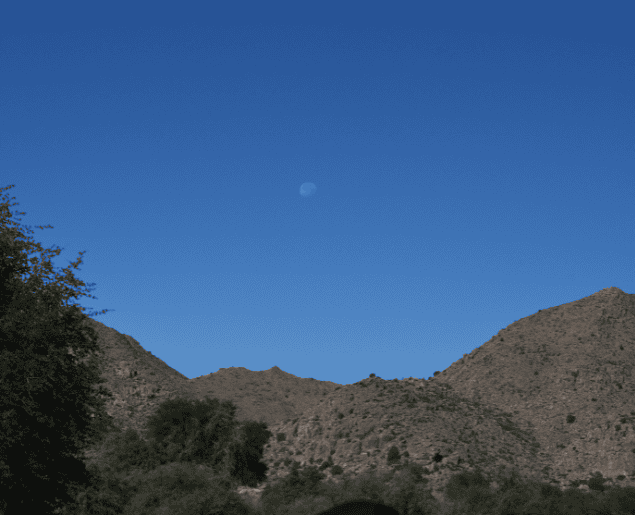
That conviction followed me to Oak Flat. Standing on that sacred land, I experienced something I cannot fully explain. I could see both the sun and the moon at the same time. It was a rare and sacred moment, one that invited stillness and reflection. I found myself fully present, aware of the beauty and significance of the land beneath my feet. It was not just land; it was memory, identity, and spirit.
In that sacred space, my mind drifted back to a baseball field in Northwest Washington, D.C., a place where my father, my Pops, would take me as a child. I remember the glow of the night lights and the moon above us, stretching our time together long after the sun had set. That field was more than just a place to play; it was a space of connection, legacy, and belonging. Yet today, that field no longer exists. It was cleared for commercial development, replaced by something deemed more “valuable.” I will never be able to take my daughters there and say, “This is where your Pop Pop used to play.” That loss is personal, but it is also symbolic.
It raises a critical question: Is anything sacred anymore? Can anything be preserved for its intrinsic value, for its cultural and spiritual significance, without being reduced to its economic potential? Too often, land is treated as a commodity, something to be extracted from until only a shell remains. But for Indigenous communities, land is not just property; it is identity, ancestry, and sacred trust.
Oak Flat stands as a powerful reminder that preservation is possible and necessary. It offers an opportunity for future generations to experience what I experienced: a sense of wonder, connection, and reverence. But that preservation will not happen passively. It requires collective action, unified voices, and a willingness to challenge systems that prioritize profit over people.
My time in Phoenix and at Oak Flat has reshaped how I understand land not just as physical space, but as sacred ground that holds stories, memories, and meaning. It has also deepened my commitment to advocacy. We must align our voices not only to protect Indigenous sacred lands like Oak Flat, but also to safeguard the spaces in our own communities that carry our histories and identities.
Because when we lose the land, we risk losing more than just space; we risk losing ourselves.
Rev. Aaron Tinch is the pastor of New Hope AME Church in Waldorf, Md., and a 2025 BJC Fellow. In October 2025, the BJC Center for Faith, Justice and Reconciliation partnered with CBF Advocacy to let people experience the space for themselves.
A New Phase in the Fight to Save Oak Flat
Supporting Sacred Land
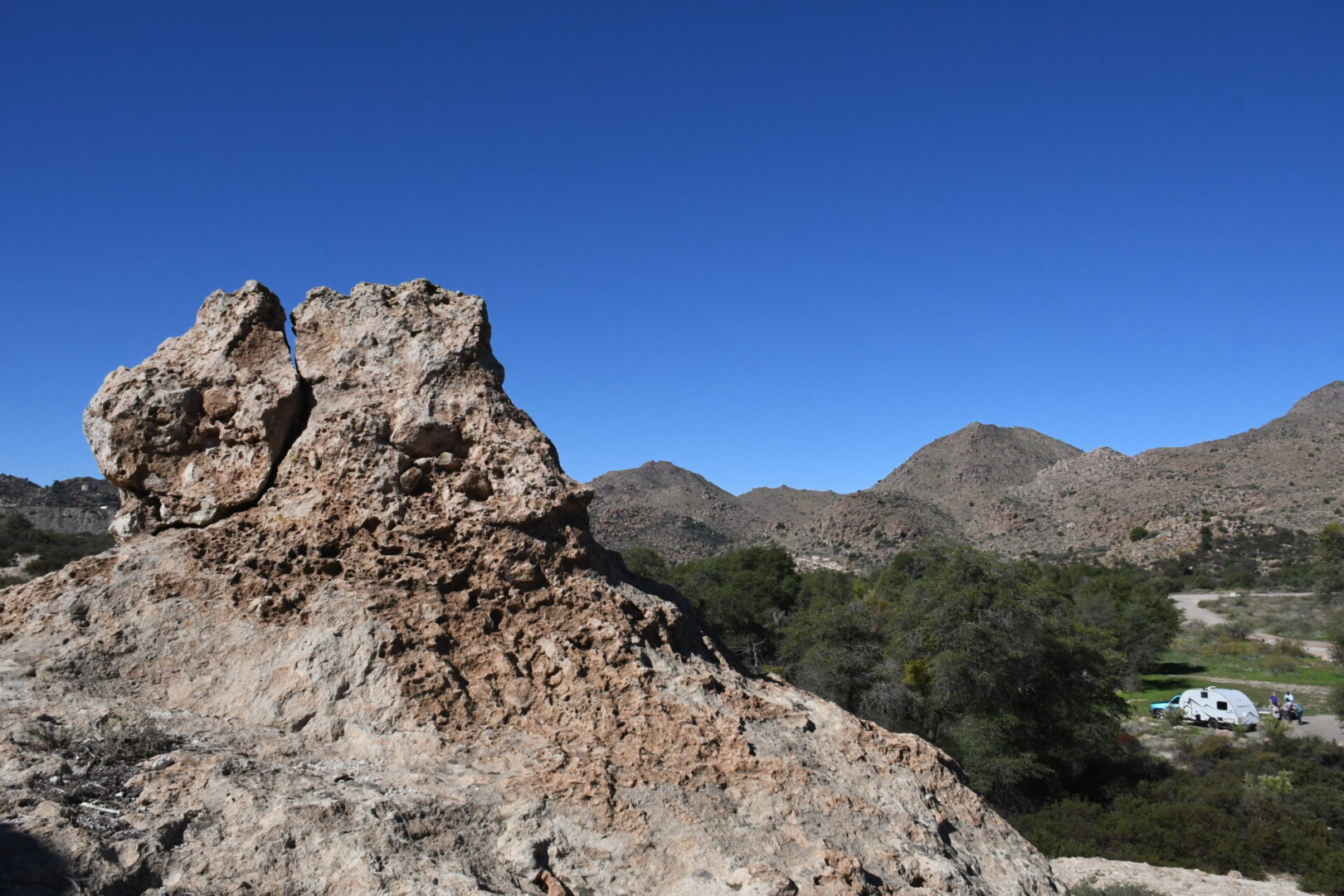
What if your elected officials told you that your sacred place mattered less than that of a different congregation nearby? That’s the issue facing the San Carlos Apache Tribe in their struggle to save their sacred land Chí’chil Biłdagoteel — loosely translated in English as “Oak Flat.”
-
Once protected within Tonto National Forest, this oasis an hour east of Phoenix is threatened with destruction. In March 2026, the federal government gave Oak Flat to the mining company Resolution Copper, and the area is on the brink of being permanently destroyed. Time is running out.
What can you do? Only Congress can permanently protect this land, and you need to let your lawmakers know this matters to you. After the transfer, Rep. Adelita Grijalva, D-Ariz., introduced a bill to preserve public lands in the Chí’chil Biłdagoteel Historical District that are directly adjacent to the land that was transferred. This bill needs the support of your representatives.
-
-
Read the Magazine Online
This article appears in the Spring/Summer 2026 edition of BJC’s magazine, Report from the Capital. Visit our page for more articles online, or read a PDF version of the entire magazine.
-