Stop School Vouchers
For the first time in our nation’s history, federal tax dollars are being directed to private religious schools nationwide through the “One Big Beautiful Bill,” which passed in 2025.
What looks like philanthropy on paper is, in practice, every taxpayer subsidizing religious education — whether they share that faith or not. This program also diverts existing public dollars away from the schools that serve the overwhelming majority of our communities.
The good news? States need to actively opt-in, and you can ask your lawmakers to stop this scheme.

Your Voice Matters
Take Action
There are two things you can do now to let your lawmakers know about the problems with this scheme.
We have one form you can use to do both, making the process simple.
-

Contact Your Governor
Let your governor know you object to this misuse of public funds – which should support public schools. If your state hasn’t opted in, convince them to stay out of it. If they have opted in, show that you’re opposed to them signing up in 2028.
-
Contact Your Members of Congress
Tell your members of Congress to repeal the voucher scheme. There is legislation pending that can do just that, and you need them to support it.


People Pushing Back
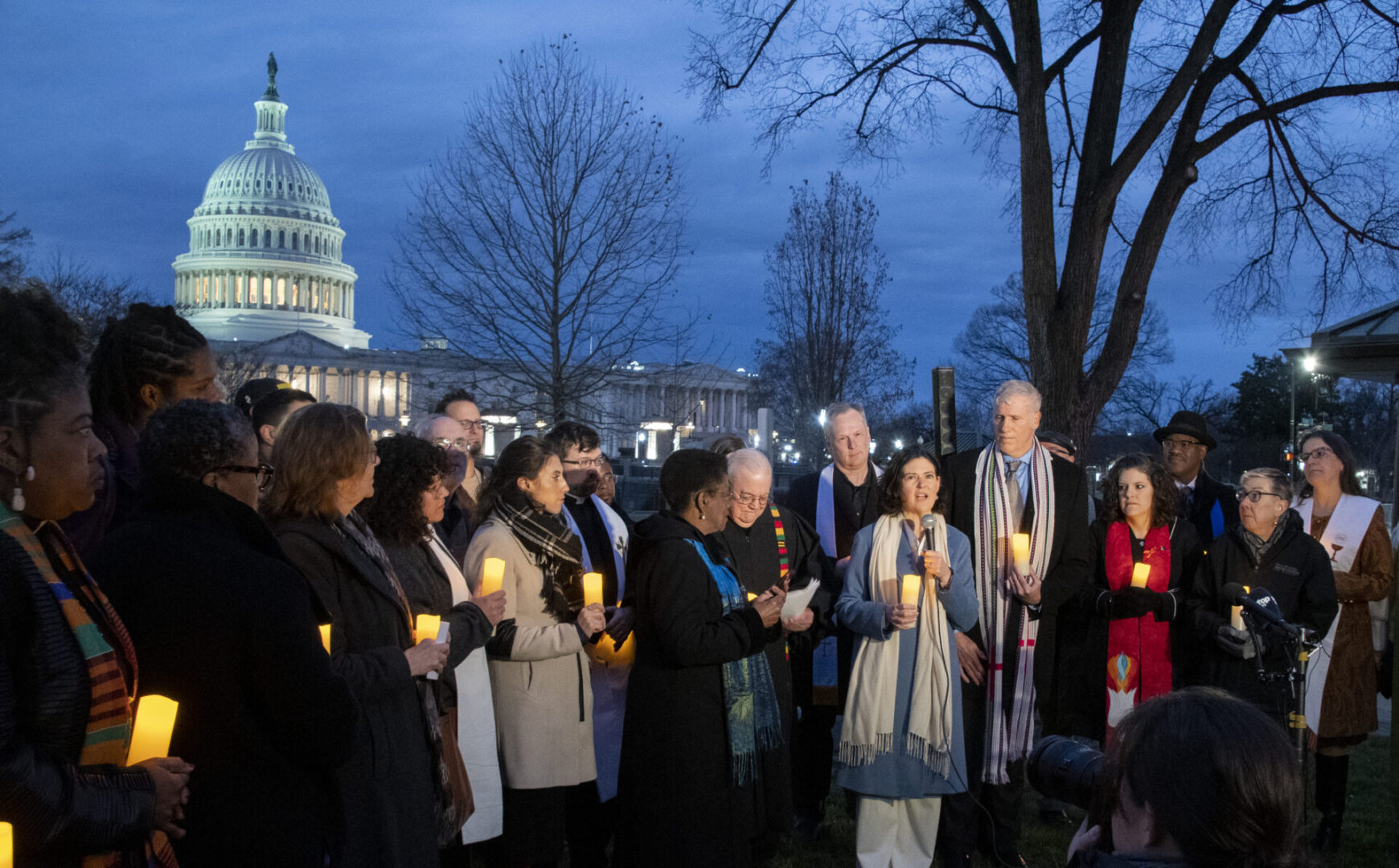
BJC is working with groups in several different states to push back on this program, as people of faith share why they do not want to see their tax dollars funding religious education.
Here are some examples. Want to get connected in your state? Contact BJC Policy Council David Segal at [email protected].
-
Illinois
People in Illinois are asking Gov. Pritzker to decline this program. Their efforts include a letter from clergy and one-on-one meetings with the deputy governor. We have an entire website page dedicated to their efforts.
-
Michigan
Clergy and faith leaders across Michigan are working on a letter to Gov. Whitmer and Governor-Elect Benson, sharing why they don’t want this program. They aren’t against faith in private education; they are for the kind of faith that does not require the state’s money or the state’s endorsement to flourish.


Resources
-
Article
The ‘Big Beautiful Bill’: Trading liberty for school vouchers
What did the “Big, Beautiful Bill” mandate in terms of school vouchers? Read more about how this scheme threatens religious freedom and public schools.
-
Podcast
The Trouble with School Vouchers: Part 1
This conversation explores the various iterations of vouchers and the many issues they can create, including their coercive nature. You’ll also hear about the first time the Supreme Court upheld a voucher program and what that ruling actually says.
-
Podcast
The Trouble with School Vouchers: Part 2
In part two of our conversation on school vouchers, we look at who really wants the troublesome programs, and why. The conversation dives into the policy debates and political fights over school vouchers that are pitting communities against each other.

Details of this Program
In the summer of 2025, Congress created the first-ever federal voucher program as part of the budget bill (“One Big Beautiful Bill Act”). It creates a tax subsidy scheme that starts in 2027, which allows individuals to donate to a Scholarship Granting Organization (SGOs) for a full tax credit up to $1700. Then, the SGO doles out scholarships for qualified education expenses.
No other tax-deductible donation gets a 100% credit –– including your donations to your church or to BJC, which at best earns you a 37% tax benefit.
The vast majority of scholarships will go to private school tuition, and in most cases sectarian religious schools – we know from states who have years of experience with similar tax-subsidized vouchers. This means the government will be subsidizing religious education at an unprecedented level, without any protections against discrimination based on religion. It will be a windfall for students already in private school, at the expense of already underfunded public schools.
On October 1, 2026, the Treasury Department released proposed regulations for the voucher program, confirming that it will benefit private and religious schools with limited public accountability. It prohibits states from prioritizing public schools or adding safeguards against waste, fraud, and abuse. And it adds new staffing and financial burdens to states, who have to administer the program.
So how can we push back on this effort to divert public funds for private, religious use? Contact your governor and your members of Congress.
Why?
In order for the program to operate in a state, the governor or legislature must opt in before January 1. As of October 29, 2026, we know that 31 states have already opted in for 2027, but some can still say “no.” And, if your state has already opted in for 2027, they’ll have another decision to make next year – let them know people oppose this!
Plus, members of Congress can repeal this provision if they so choose – ask them to do so by supporting the Keep Public Funds in Public Schools Act (S.4279 / H.R.9289).
We have a simple form you can use that will let you contact both – click here to get started!
Protecting Public Education
This is just one way we are protecting religious freedom in public education.