Published September 2, 2026
What Else Is Going Back to School?
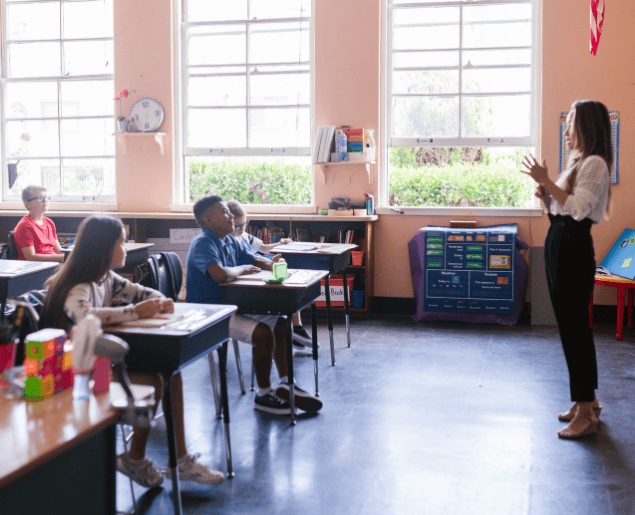

A new school year means new notebooks, new pencils, new lunchboxes, new clothes, and at least one new backpack that will disappear before October. It also means new state and federal policies — Bible readings, Ten Commandments displays, and federal school vouchers — affecting public education and religious exercise for students and their teachers.
Here are some of those policies you should be aware of as the new school year kicks off.
Texas Commands the Posting of the Ten Commandments in Classrooms
One of the most problematic policies to come out in the last few years is Senate Bill 10 in Texas – which requires every public school classroom, from kindergarten through 12th grade, to permanently display a state-selected Protestant version of the Ten Commandments. The bill, which was signed into law in June 2025, means that all students in classrooms displaying the Ten Commandments will be exposed to religious indoctrination, and those from other faith traditions will be excluded by design.
In April, after the law was challenged in court, the 5th Circuit allowed the displays to go up. Now, more than two dozen Christian, Jewish, Hindu, Baha’i, Unitarian Universalist and nonreligious families across 22 school districts are asking the U.S. Supreme Court to hear their challenge to the law.
Head to BJC’s Texas Educators Resource Hub for an explanation on the mandate, fact sheets, talking points, a sample letter to parents, and a recorded webinar.
State-Organized Prayer in Texas Schools
Then there is Senate Bill 11, which required every Texas school district to vote on whether to create periods of state-organized prayer and religious study during the school day.
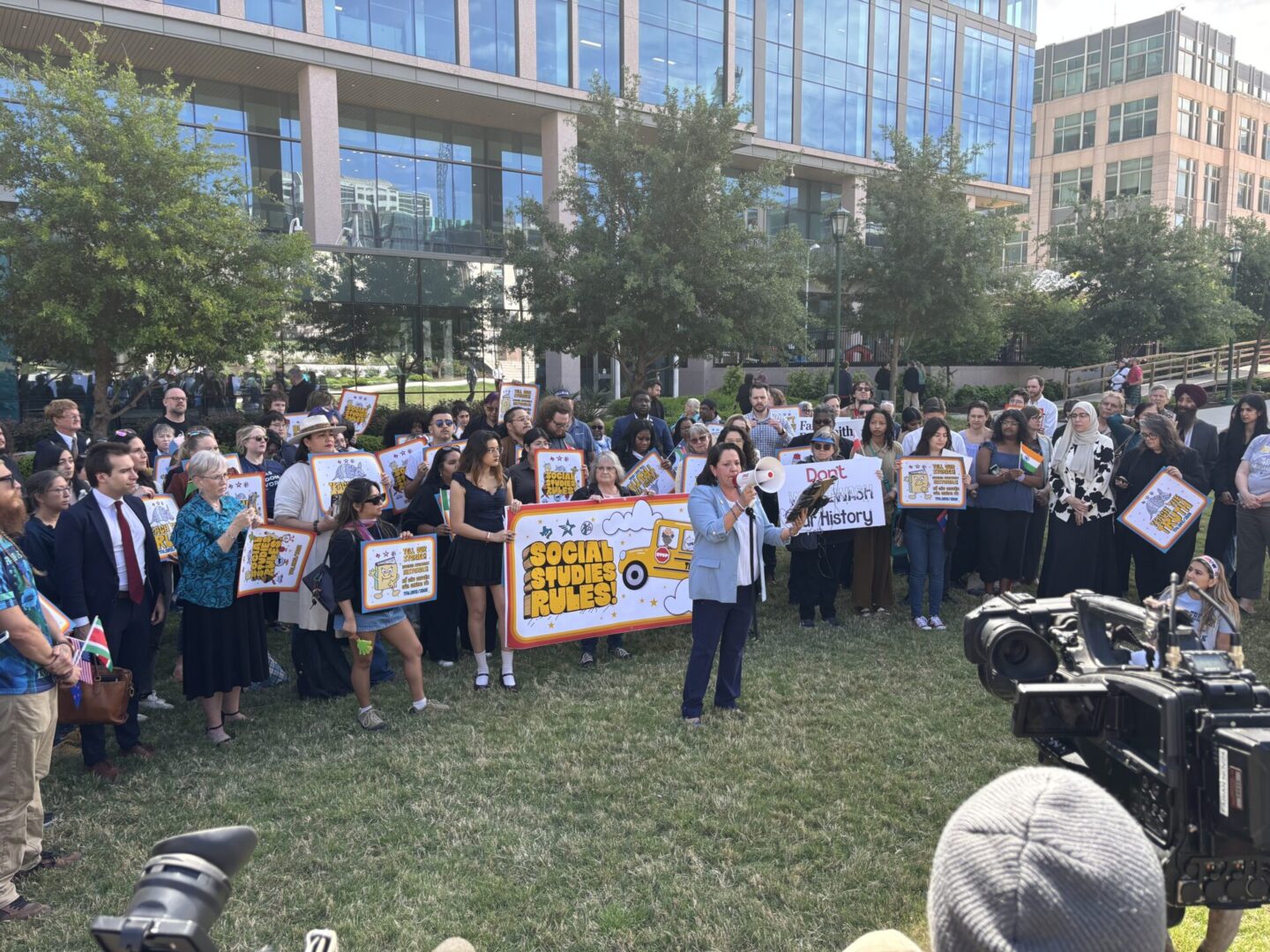
Parents, students, teachers, clergy and community leaders showed up and made the case against the law, and thanks to that work, nearly all of the state’s approximately 1,200 school districts rejected it. Many districts instead adopted an alternative resolution recognizing the religious freedoms students already have.
If your child is in one of the school districts who adopted the state-organized prayer law, head to the state-organized prayer resource hub for fact sheets, talking points, training, and the school board resolution used during the initial effort to defeat this law.
Texas Changes its Curriculum and Forces Students to Read the Bible
Starting in 2030, Texas kindergartners are about to learn the Bible from the state of Texas — whether they’re Christian or not and whether their parents want it or not.
This past June, the Texas State Board of Education approved a reading list that assigns biblical passages to students from kindergarten through high school. The reading list, which gives preference to one religious tradition over all others, was compiled without meaningful input from parents and educators, and instead relied on feedback from nine unelected political appointees or content advisors.
Texans didn’t stay quiet, however; they raised their concerns through public testimony, a multifaith clergy letter, and direct engagement with the State Board itself. It’ll be four years until the new reading list takes effect, so there is still time to safeguard religious freedom, including through legislative activity next spring. Visit our SBOE page to keep up to date and get involved.
Gov. Pritzker’s Big Beautiful Opportunity to Safeguard Public Education and the Separation of Church and State
Finally, in the state of Illinois, Gov. JB Pritzker has a decision that will determine whether Illinois taxpayers will fund private, religious education.
President Trump’s Big Beautiful Bill created a new federal tax-credit voucher program that subsidizes private education, including religious education, that allows states to opt in.
Clergy members have signed letters urging Gov. JB Pritzker to keep Illinois out of the program. Residents are contacting their state senators in support of SB 3966, which would prevent the state from opting in. And a growing statewide coalition is organizing around that decision.
Be sure to stay up to date and check out future opportunities for action on our website.

So as students and teachers return to school, be sure to stay in the loop on what’s being assigned, what is going up on classroom walls, how prayer is being organized, and where public education dollars are going.
Students already have the right to pray, practice their faith or follow no faith at all. The job of public schools is to protect that freedom, not make those choices for them.
What Are You Experiencing?
Know of any state or local policy affecting faith and public schools? Tell us about it!