Published August 10, 2026
Stories From the Movement

Religious freedom is only kept alive by those who choose to defend it. What that looks like depends on you.
You can engage in personal and collective advocacy. You can preach. You can have conversations with your local school leaders.
Or, like the Rev. Dr. Michael Woolf, you can be tackled to the ground and arrested.
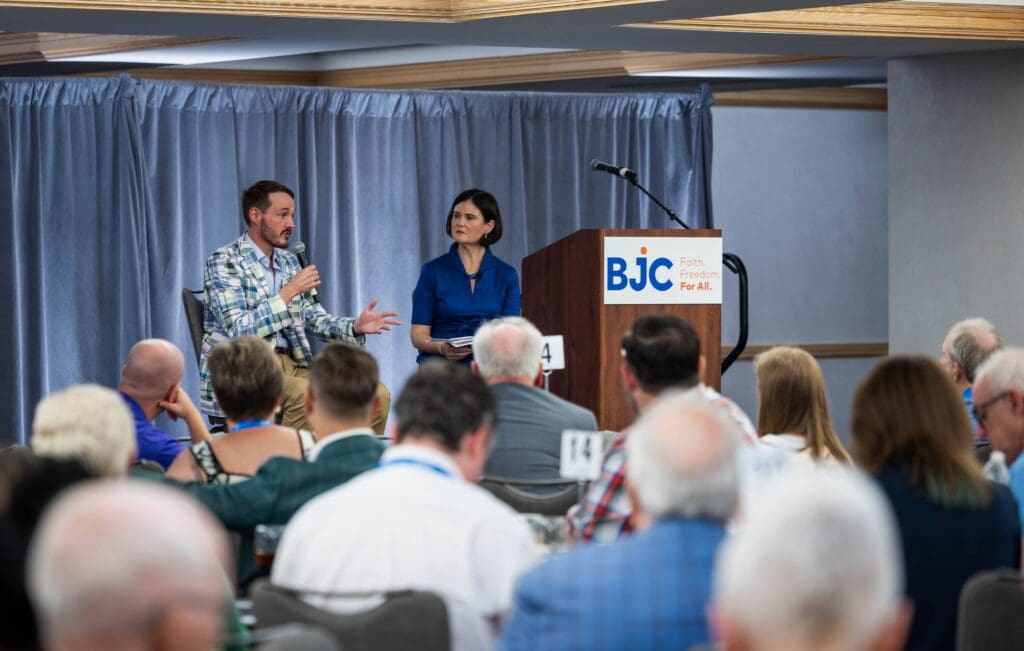
His story was one of many shared at this year’s BJC Luncheon, held June 19 in Jacksonville, Fla., in conjunction with the Cooperative Baptist Fellowship’s General Assembly.
News photographers captured the Rev. Dr. Woolf’s arrest during a peaceful campaign to shut down the ICE detention facility in Broadview, Ill., in 2025. The image of him pinned to the ground, looking up at the camera while wearing his ministerial collar, was a news sensation, creating interest and curiosity about what was happening. He didn’t go there looking for that type of notoriety, but he met the moment.
Your engagement might not look the same.
“There’s something for everybody to do,” the senior minister of Lake Street Church of Evanston, Ill., told the crowd.
If you’re driving past a courthouse in Texas, you might see Pasty Meier. Maybe you don’t know her name, but you can spot her holding a sign that says “Due Process For All.”
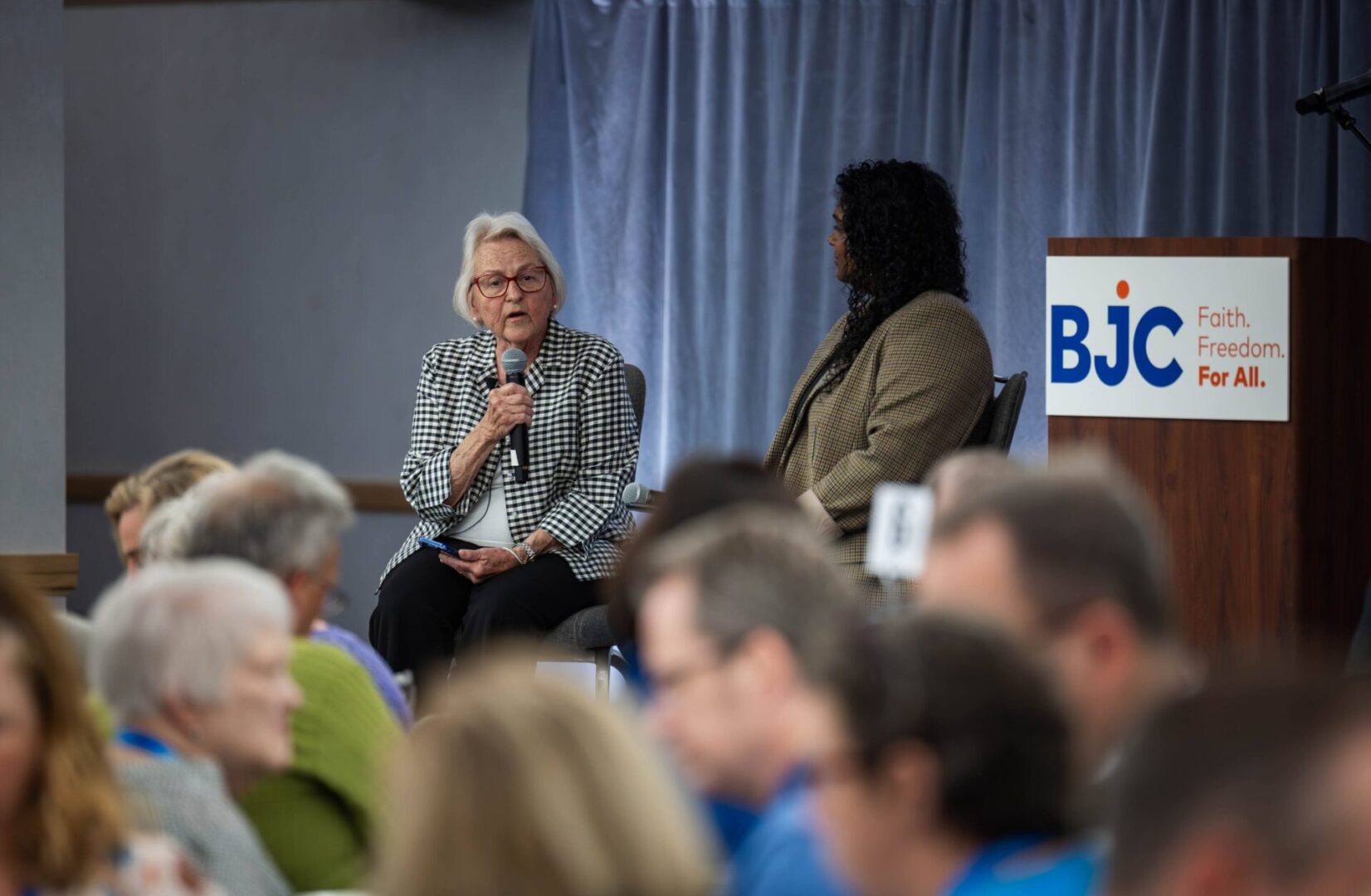
She gets involved through her church, which includes partnering with the North Texas Coalition of BJC’s Christians Against Christian Nationalism initiative. They are taking individual and collective action, rising to meet the needs around them.
Sometimes they go to Austin to testify at the Texas State Board of Education meetings, reminding lawmakers that public schools are not the same thing as Sunday schools. Sometimes they counter the anti-immigrant bias they see in their community — Meier herself went through training to be a court observer in immigration proceedings, supporting families in tangible and intangible ways.
Do they have a lot of easy wins?
“No, but we keep on. We keep on,” she said.
“Within your own church, develop your leadership, develop a team, pray together, strategize, and remember why you’re doing it,” she challenged the crowd.
The Rev. Dr. Libby Grammer intervened at her child’s school after discovering students were being asked to recite Christian prayers at school events.
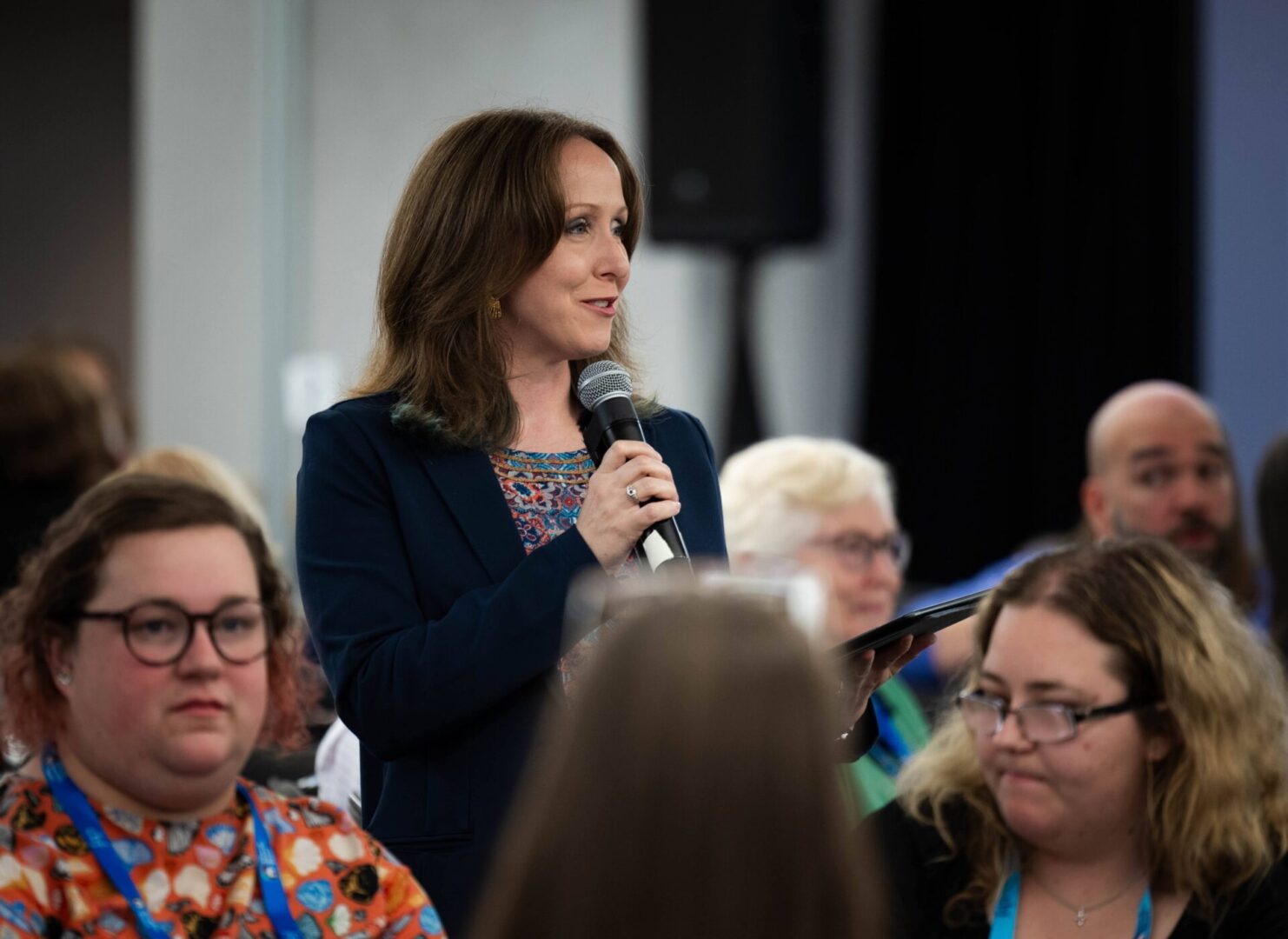
As a Baptist minister who leads Lakeside Church in Rocky Mount, N.C., she felt the children deserved the freedom not to be compelled in religion by the state. Unsure how she’d be received, the administrators expressed gratitude to have learned a little something about protecting religious freedom in schools. “I hope that my risk-taking is paying off, making religious liberty real for my daughter and her peers,” the Rev. Dr. Grammer said.
When BJC organized a meeting this year for faith leaders in Missouri to meet with their senior U.S. senator, Josh Hawley, the Rev. Dr. Brian Kaylor was there.
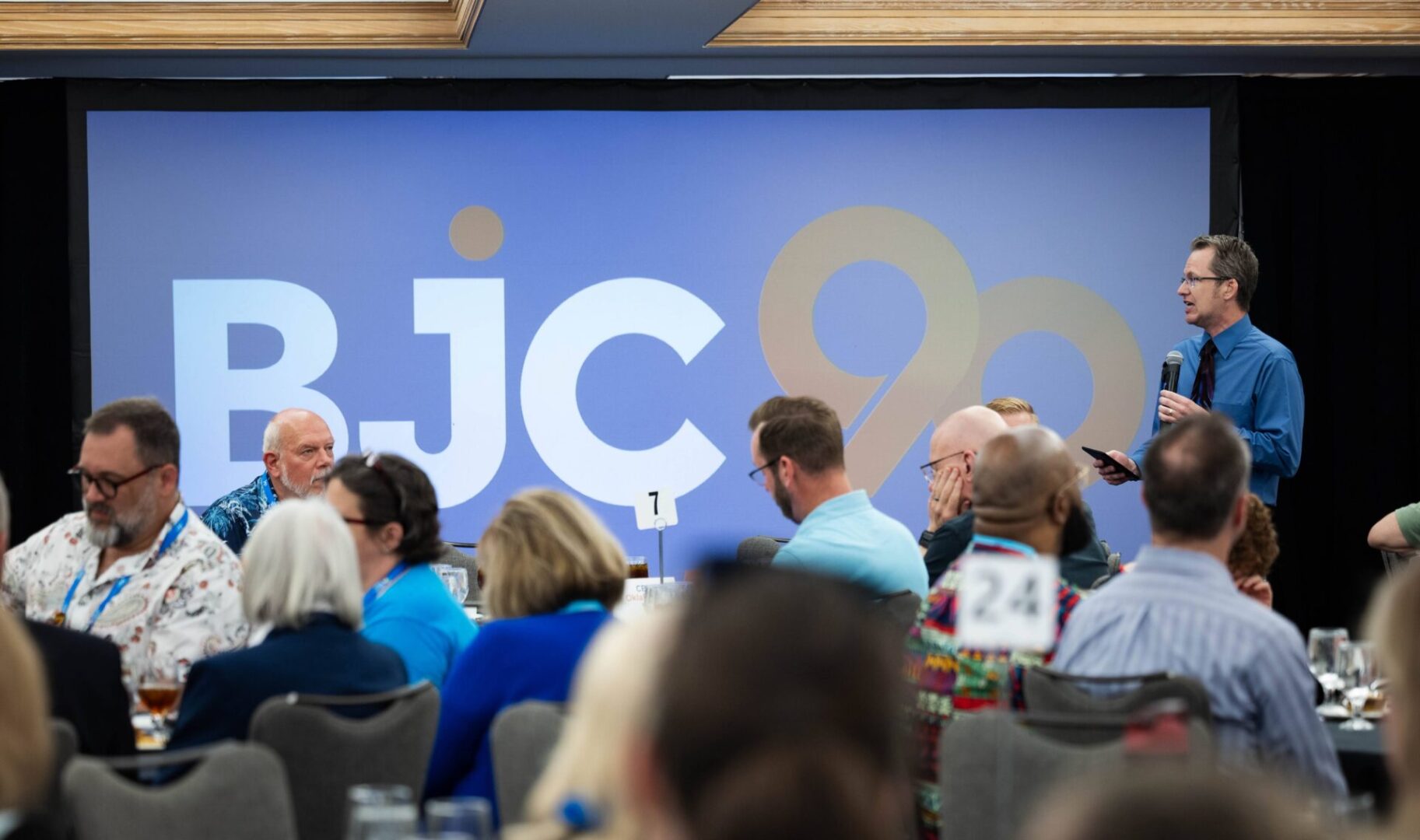
It was a unique opportunity to speak directly about a matter of great concern: the detrimental effects of immigration enforcement at houses of worship and other “sensitive locations,” which used to have more protection.
Their meeting allowed them to show Sen. Hawley that it’s not a hypothetical issue, providing real-world examples. It was clear to the Rev. Dr. Kaylor that the senator had not heard of these events, and he worked with BJC to follow-up afterward with specific news articles.
“It takes more than just one conversation to move legislation, but even our senator could be perhaps a part of the solution,” he said.
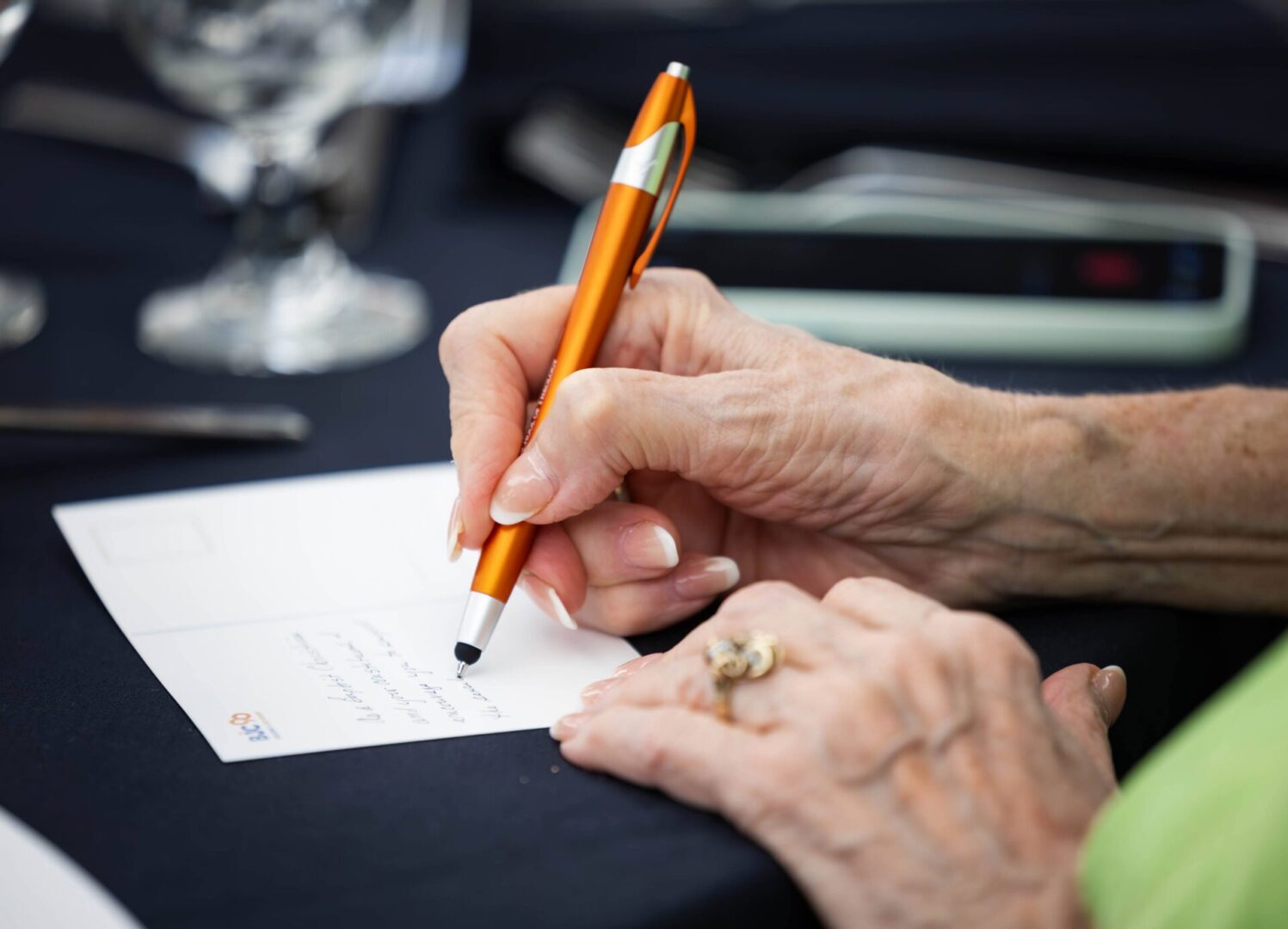
The luncheon was more than a storytelling event — it was a place to take action. BJC provided postcards for each person to write their lawmakers about the need for the Protecting Sensitive Locations Act. This piece of legislation would protect churches — as well as schools and hospitals — from unwarranted immigration enforcement, allowing people to gather for worship without fear. Hundreds of postcards were written and sent to members of Congress, with personal pleas from constituents for this need to protect the religious freedom of our neighbors.
After he and his church made headlines, the Rev. Dr. Woolf said they received threats. As a mainly white congregation of Christians, it was their first experience of thinking about their safety in such a way.
“But it’s an everyday thing for minoritized religious communities,” he reminded the crowd.
Those threats are a lived reality for so many people who have their religious freedom threatened on a daily basis.
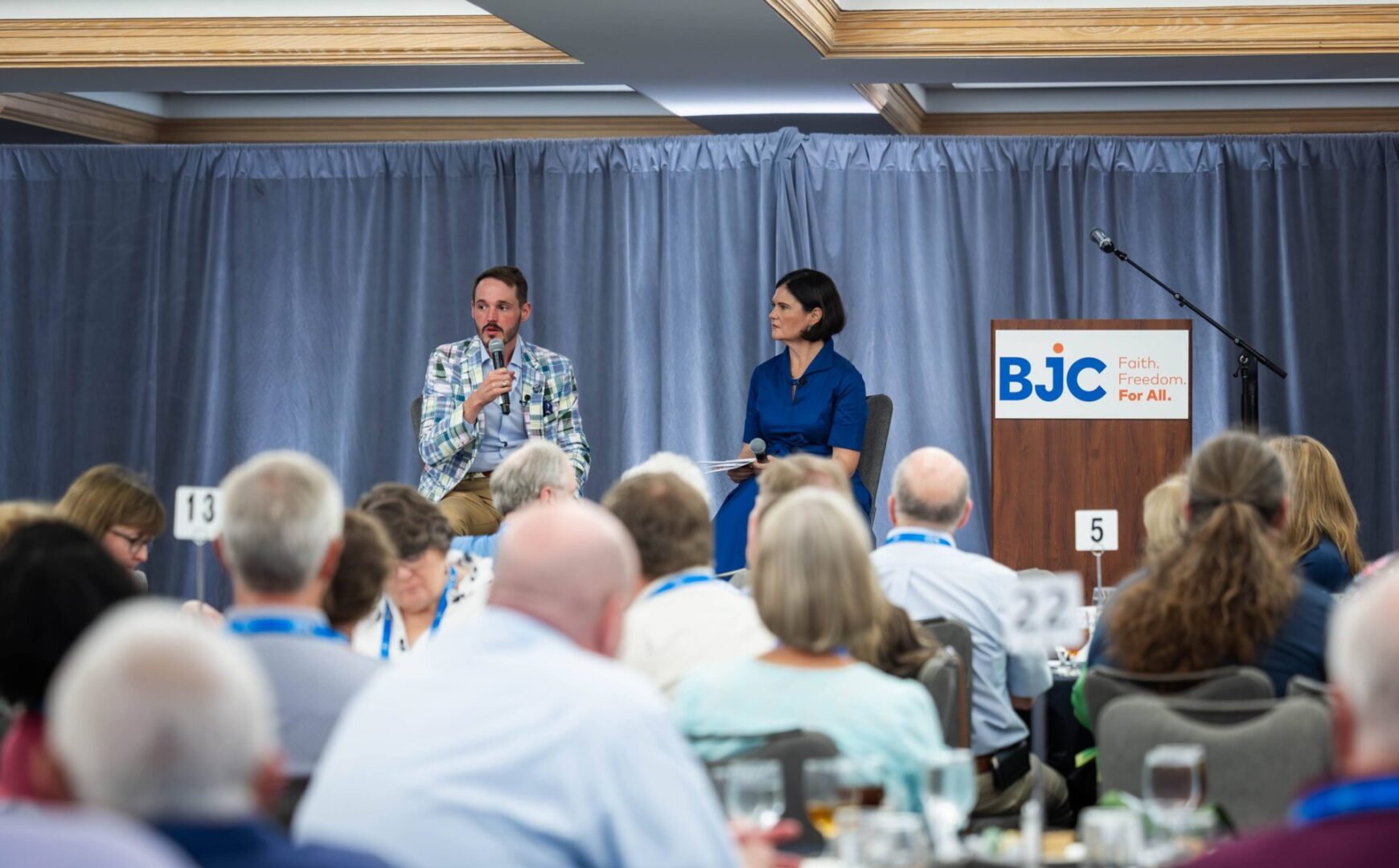
As he explained: some people might go to a protest like he did, while others might feel called to advocacy work, education work, or preaching about injustice. You don’t have to make headlines to make a difference.
Everyone has a responsibility to keep religious freedom alive.
Everyone can do something.
What will you do?
Join the Movement
You can watch the luncheon online and take action, too. Use the button below to tell your members of Congress to support the Protecting Sensitive Locations Act.
-
Read the Magazine Online
This article appears in the Spring/Summer 2026 edition of BJC’s magazine, Report from the Capital. Visit our page for more articles online, or read a PDF version of the entire magazine.
-