Published September 9, 2026
BJC: At-home worship and prayer deserve strong First Amendment protection
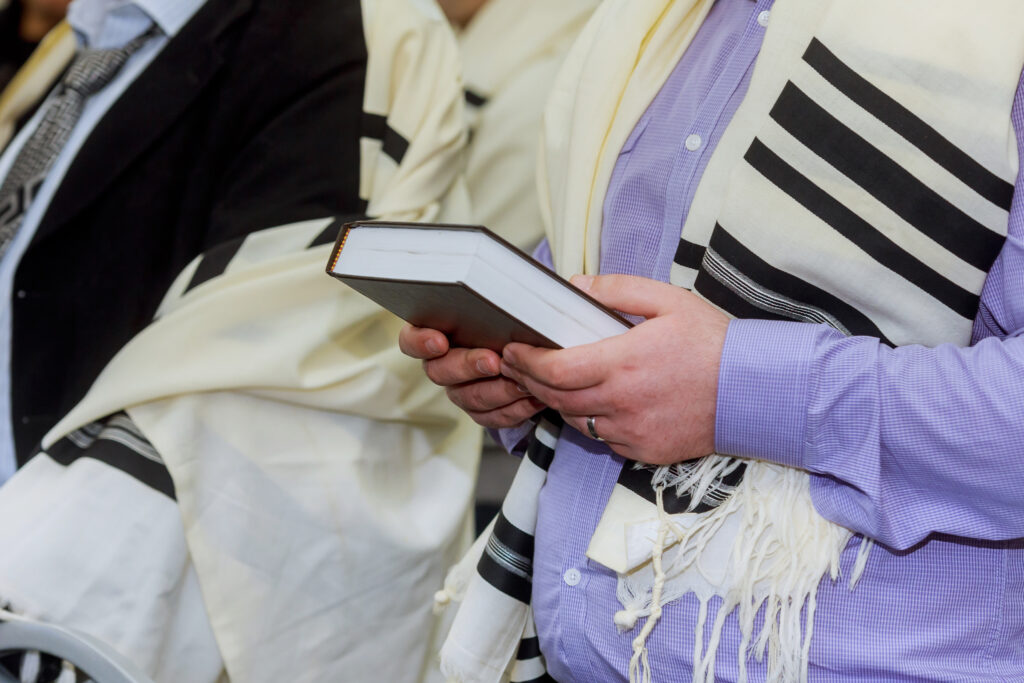
Baptist group joins brief saying Orthodox Jewish man should have his day in court in Grand v. City of University Heights
FOR IMMEDIATE RELEASE
Media Contact: Cherilyn Crowe Guy | [email protected] | 202.670.5877
WASHINGTON – An Orthodox Jewish man should be able to sue the city trying to stop his at-home worship, even without a final zoning decision. On Tuesday, BJC (Baptist Joint Committee for Religious Liberty) joined a friend-of-the-court brief to make that clear to the U.S. Supreme Court.
In Grand v. City of University Heights, Daniel Grand invited friends and neighbors for Sabbath prayer at his home. When neighbors reported Mr. Grand’s plans to city officials, the city issued a cease-and-desist order, demanded that Mr. Grand apply for a special use permit under zoning rules, and even sent city officials to surveil his home for code violations. Mr. Grand initially applied for the special use permit but ultimately withdrew because he did not want to operate a house of worship in his home. When he sought relief in federal court under the First Amendment and the Religious Land Use and Institutionalized Persons Act (RLUIPA), the courts rebuffed him, ruling that the case was not “ripe” because the zoning process had not reached a final decision.
BJC joined a brief in support of Mr. Grand, filed by the Harvard Law School Religious Freedom Clinic. The brief emphasizes the importance of at-home worship and prayer in Jewish and Christian traditions, as well as in the history of the First Amendment. It urges the Supreme Court to reverse the 6th Circuit’s decision so that Mr. Grand can have his day in court.
Amanda Tyler, executive director of BJC, issued the following statement:
“Being free to exercise your religion must include the ability to worship, gather, and pray in your own home. Baptists were religious dissenters at the founding era, and they fought for everyone’s right to exercise their religion freely without having to seek the government’s permission.
Mr. Grand should be able to have his day in court. More than a quarter century ago, BJC advocated for RLUIPA in part to provide additional protection for religious exercise from burdensome government regulation and procedures like Mr. Grand suffered in this case.”
BJC has vigorously supported both the free exercise of religion and freedom from religious establishments for more than nine decades. That work includes chairing the Coalition for the Free Exercise of Religion, which successfully urged Congress to pass RLUIPA and RFRA (Religious Freedom Restoration Act). This case is the first case involving application of RLUIPA’s land use provisions to reach the Supreme Court.
The brief also was joined by Agudath Israel of America and Ratio Christi. The Supreme Court will hear Grand v. City of University Heights on December 9, 2026.
Rooted in a Baptist commitment to soul liberty, BJC (Baptist Joint Committee for Religious Liberty) is a 90-year-old organization building a movement toward a just society that cultivates and expands religious freedom for all.